Skip to content


If you’ve primarily been using a grinder or oxyacetylene to cut metal, plasma cutting is going to make you feel like Captain Kirk. It’s almost unworldly how you can simply point and pull, and the metal is cut like paper—that’s basically science-fiction stuff right there. But before you start going all “beam me up, Scotty,” it’s important to know which materials and thicknesses can be plasma cut, and which are better left to other methods.
Which Metals Can Be Plasma Cut?
It was an overcast day in 1999. A traveling plasma machine salesman stopped by our office. This was back in the days when our boss would unironically play Backstreet Boys on full blast through the overhead office speakers. But when the mysterious salesman told us he had something we’d never seen before, we paused “I want it that way” mid-song to let the man speak. He pulled out a sci-fi-looking contraption, declaring, “This here is a Plasma Cutter, and it’ll cut anything!”

Of course, we immediately began testing the man’s statement. First, we tried mild steel, then aluminum, and then Kevin’s right shoe. It turned out the salesman was mostly correct. Plasma cutting works incredibly well on any electrically conductive material, though mild steel, stainless steel, and aluminum were by far the best materials for it. However, each of these materials requires its own approach; treat plasma cutting aluminum like mild steel, and you’re going to have a molten mess on your hands.
Mild Steel
As the bread and butter of the welding world, mild steel is the most commonly cut material. Generally, plasma cutting mild steel is fairly straightforward. Just reference your machine’s settings guide for your parameters, and you’re pretty much good to melt.
However, there is a special case when cutting galvanized mild steel. Galvanized materials have been coated in a layer of zinc. This makes them more resistant to rusting, but it creates a poisonous fume when burned. Now we know some of you welders play it a little fast and loose with safety, but breathing in zinc fumes can lead to what’s known as “metal fume fever.” It essentially feels like a really nasty flu, meaning it’ll knock you off the job for a couple of days—and it can even be lethal.
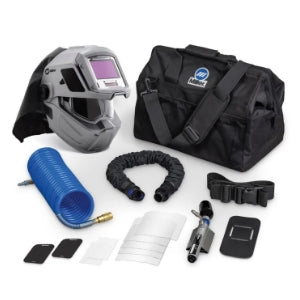
When plasma cutting galvanized steel, you’ll want to make sure you’ve got some PPE. Generally, OSHA requires some type of PAPR system. These are great as they filter the air and bring clean oxygen directly up to your face. Fume extractors are also a good option for sucking the fumes up as you cut.

Cutting galvanized materials often creates a bit more of a mess than regular steel. This means more dross, which can make it tricky to get a clean cut. Generally, you’ll also need to replace your consumables more often with galvanized steel.
Because of the extra mess with galvanized steel, many welders prefer to simply grind the area where they’re going to cut before using a plasma machine. If you’re going to weld in the same area you cut, you’ll most likely need to grind that spot anyway. The downside, however, is that grinding can remove more of the galvanized protective coating than needed. You’ll also want PPE when grinding galvanized material. The dust from grinding, while less harmful than fumes, can still cause health issues.
Stainless Steel
Plasma cutting is a perfect option for stainless. As long as your machine is rated for the thickness of your material, it’ll cut like butter. Because of stainless steel’s price, it’s often cut with a CNC plasma machine. This increases the precision of the cut. However, if you do not have access to a CNC machine, there’s no real problem with plasma cutting stainless steel completely by hand.

Some plasma cutters will have unique settings for stainless steel, so check your manual for the recommended parameters before you begin. As for safety, it’s the same process as welding stainless steel (stainless steel fumes are believed to cause cancer, so don’t be breathe’en them in).
Aluminum
With many industries pushing for naturally rust-resistant, lightweight materials, aluminum has become a popular metal for those who know how to work with it. The challenge with aluminum is that it doesn’t deal well with heat. That means if you’re plasma cutting aluminum incorrectly, your material is going to warp faster than Han Solo on the Kessel Run (dang, two sci-fi references in one article!).
The trick with aluminum is to move quickly. You still need enough heat to cut through your material, but you can’t move too slowly or the heat will expand beyond your cut and cause all sorts of warpage. With a CNC table, this is fairly easy, as you can set the travel speed and make the machine do the rest.

However, if you’re freehand cutting aluminum, then you control your travel speed manually by moving the torch. The only secret to a fast, consistent speed is practice. Find a part of your material you don’t need and get a feel for a pace that’s as quick as possible while still making a clean cut. When able, use some type of straight instrument, like a wooden ruler, to guide your cuts. This will let you move faster while still maintaining accuracy. Free-handing aluminum can be challenging, but it’s an excellent skill to learn.
How Thick of Material Can You Cut?
How deep a cut you can make with a plasma cutter entirely depends on your machine. Most plasma cutters will list a recommended cut depth and severance cut depth. The “recommended cut” is how thick of material can be cleanly cut with that plasma machine. For instance, the Hypertherm Powermax45 SYNC has a recommended cut maximum of 5/8", meaning it can cleanly cut material up to 5/8" thick
A “severance cut” means the machine can cut to that depth, but it ain’t gonna be pretty. Usually, you’ll need to go slower, and you’ll have more dross. So while it takes more cleanup than the recommended cut, your plasma machine will be able to get through material within its severance range.
For a full breakdown of some of our favorite plasma machines and how far each can cut, check out our in-depth article here.

Plasma cutting has become an essential tool for anyone who does more than “dabble a little” in welding. It’s often more practical than using a grinder and cleaner than an oxyacetylene torch. Of course, the quality of your machine will make the biggest difference in how enjoyable it is to use. Make sure you go with a brand you can trust, which is why we only offer the most reliable machines here at Welding Supplies from IOC.