 Skip to content

Shop All MIG Welders & Welding Machines
MIG Welding Machines
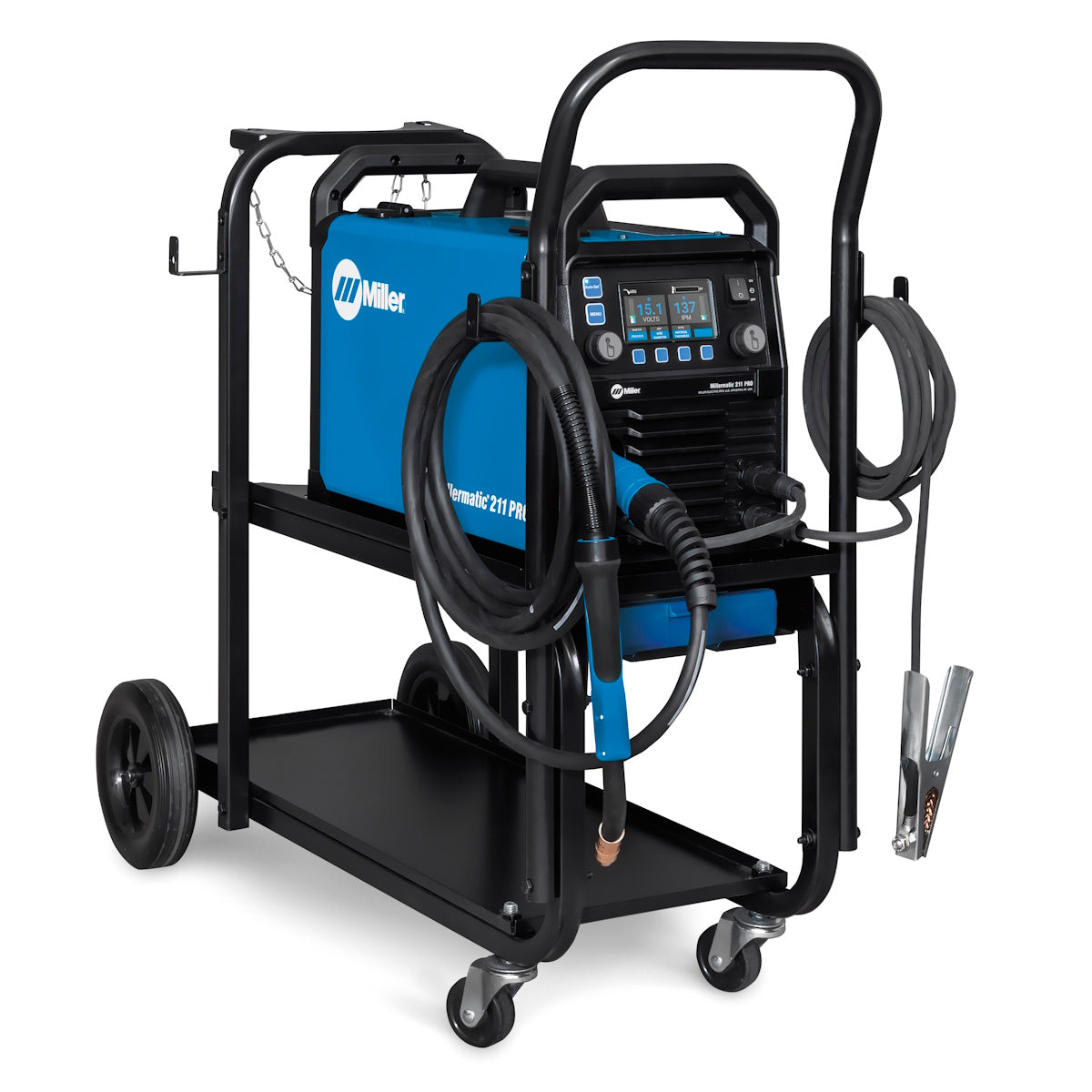
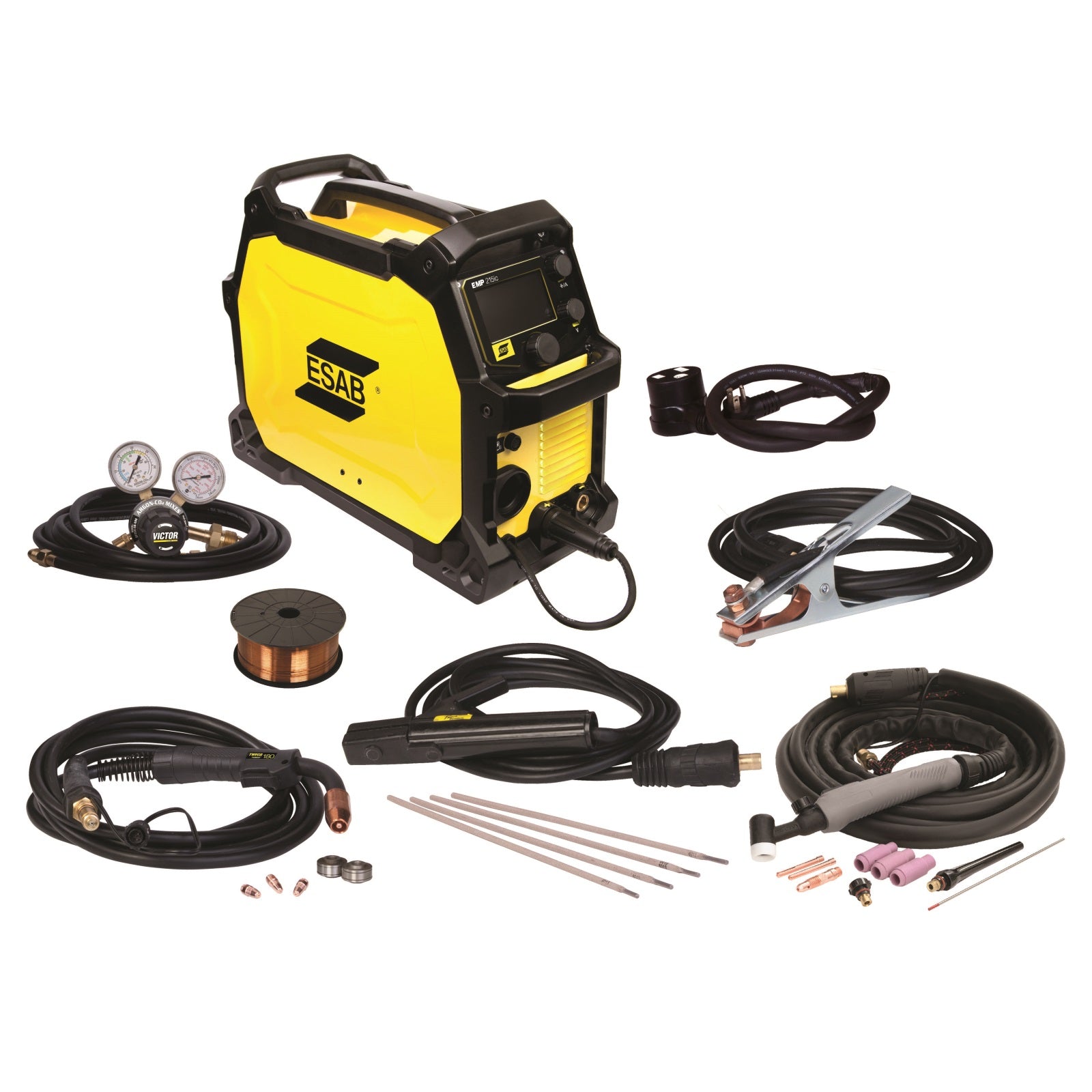
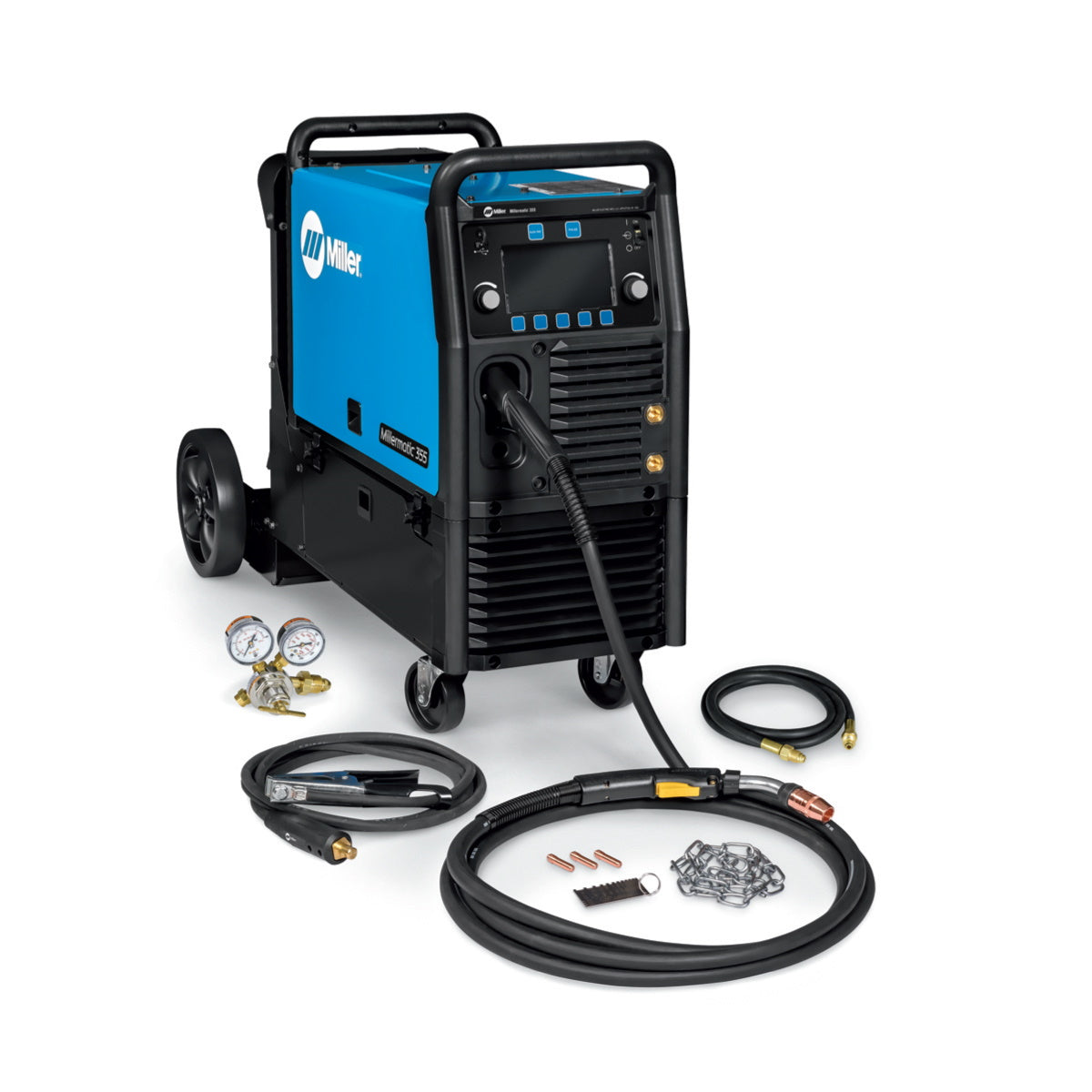
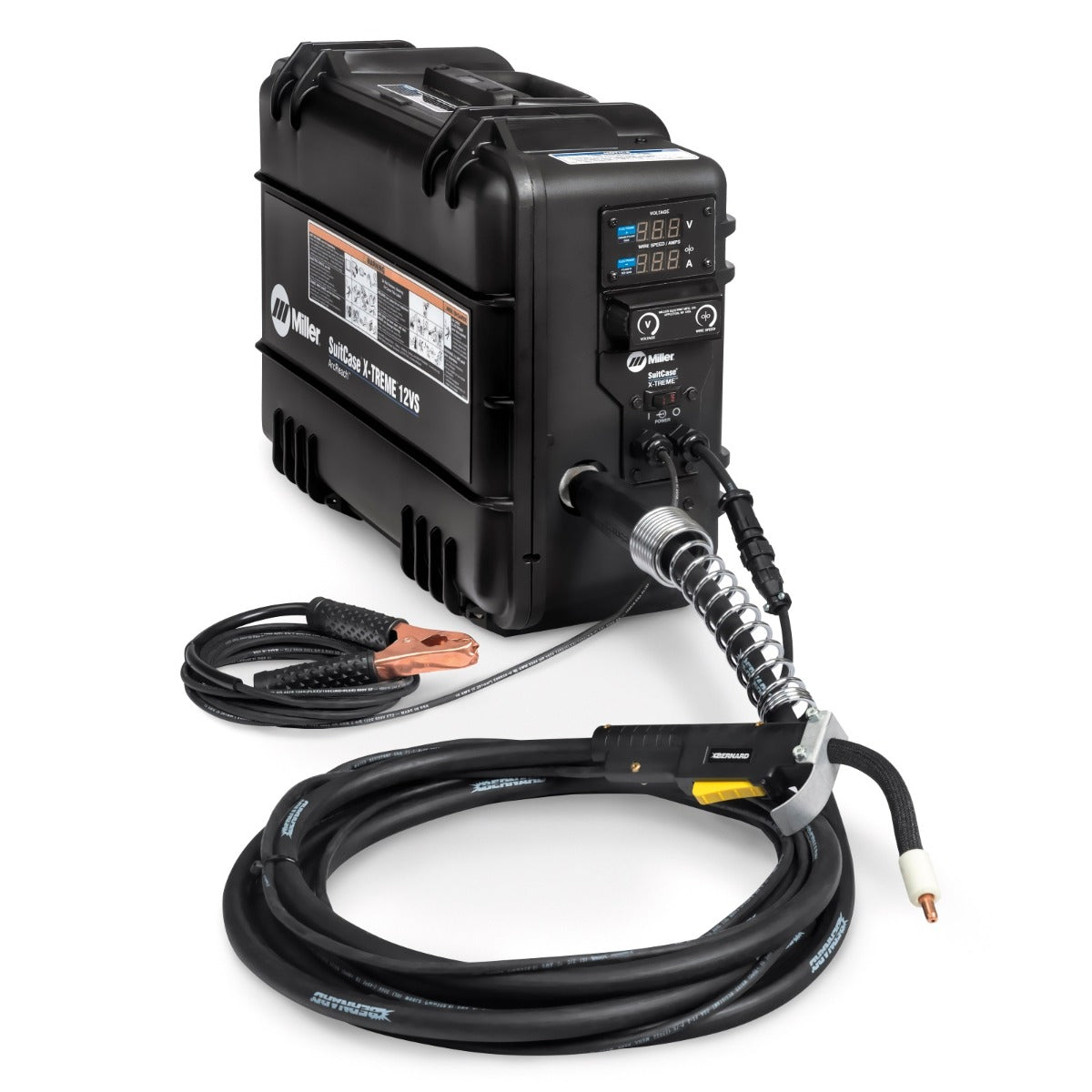
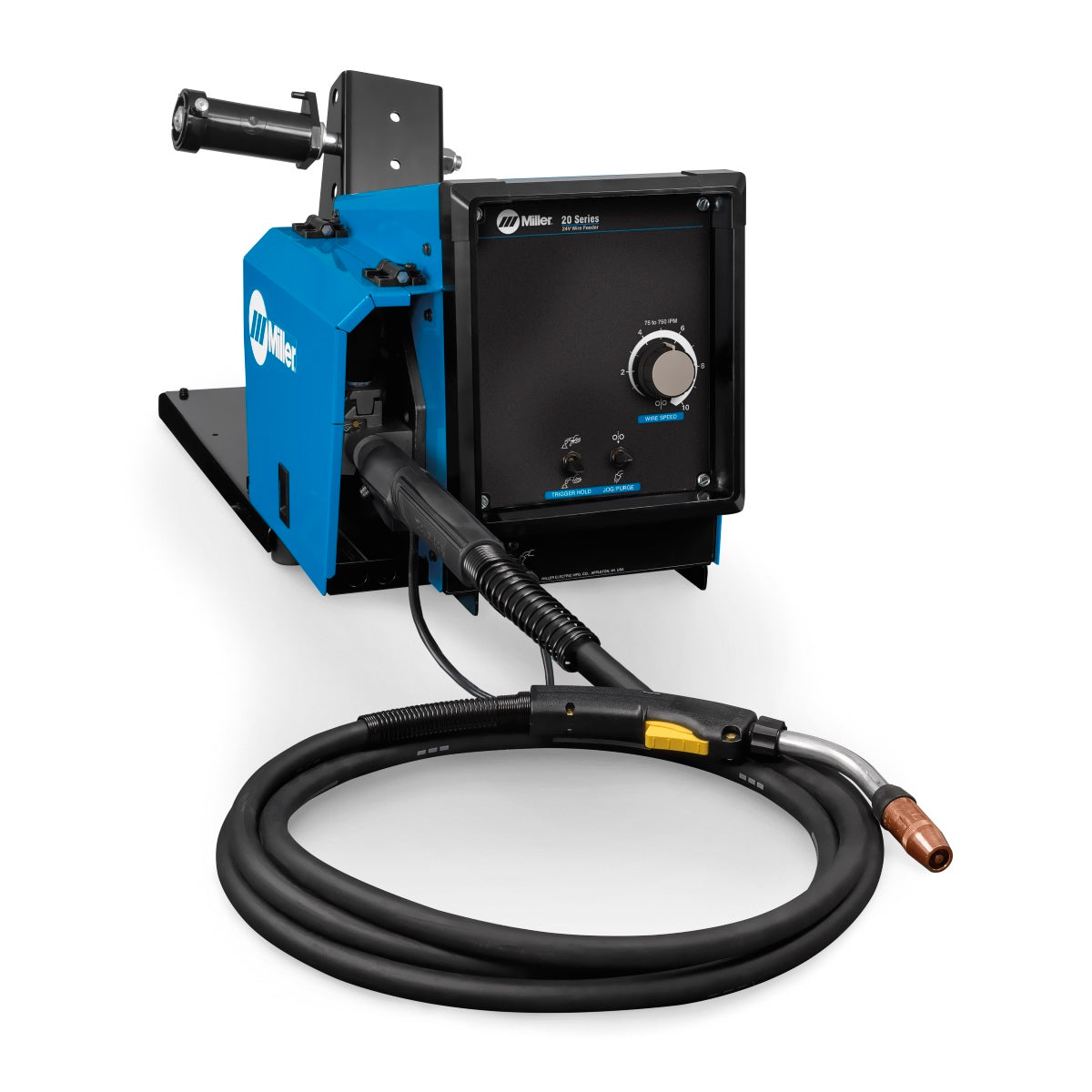
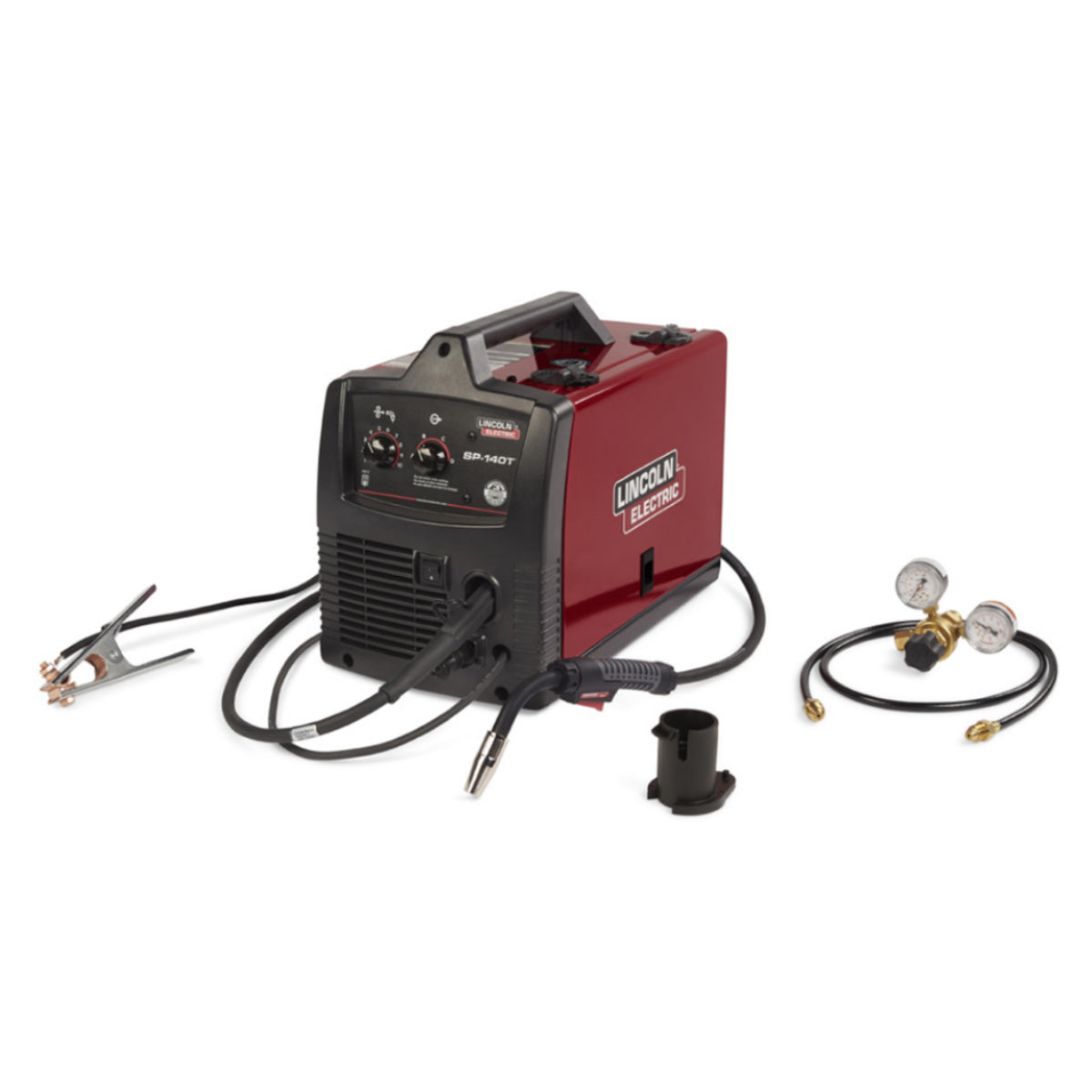
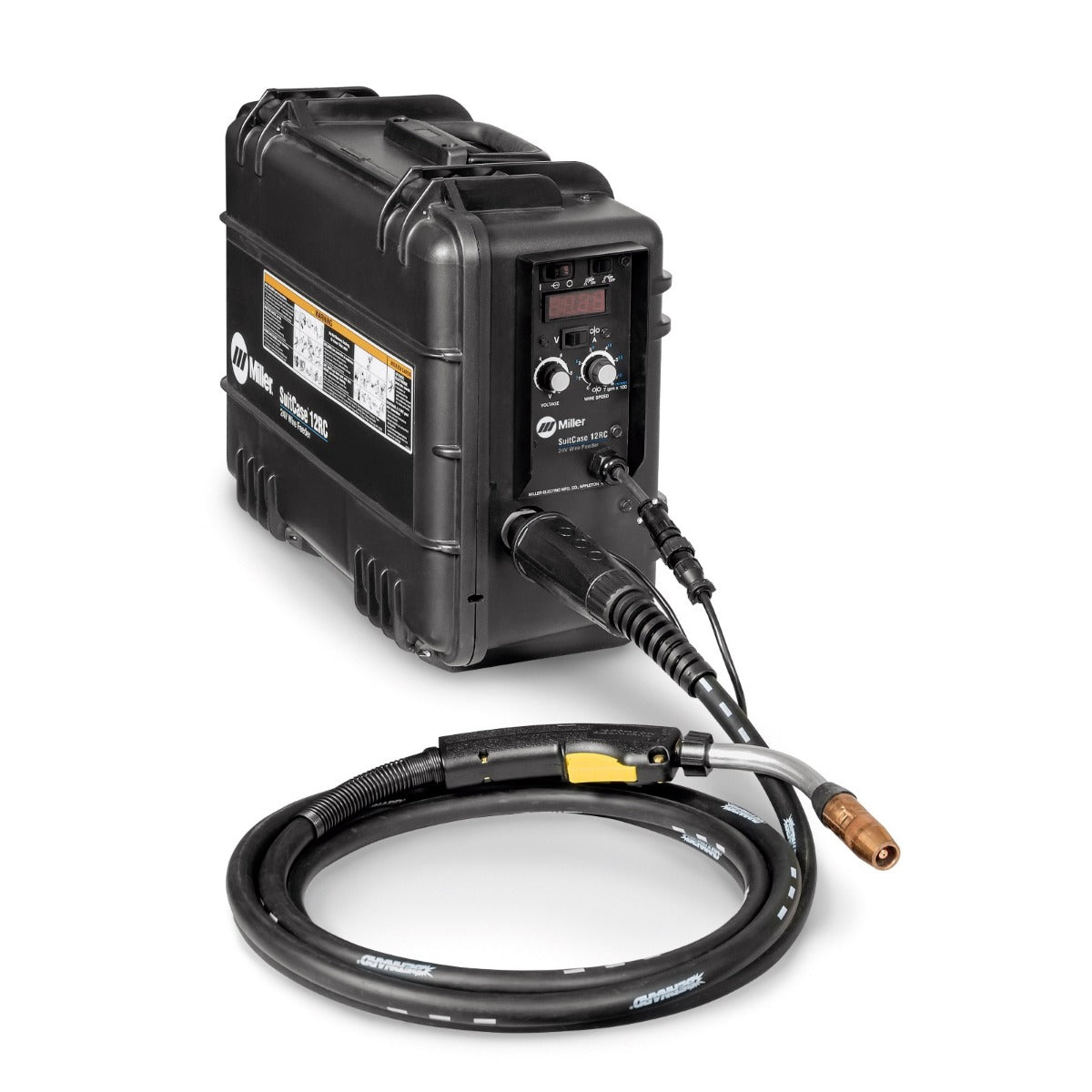
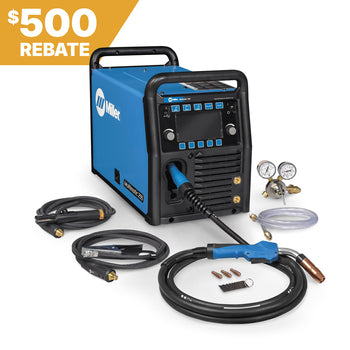
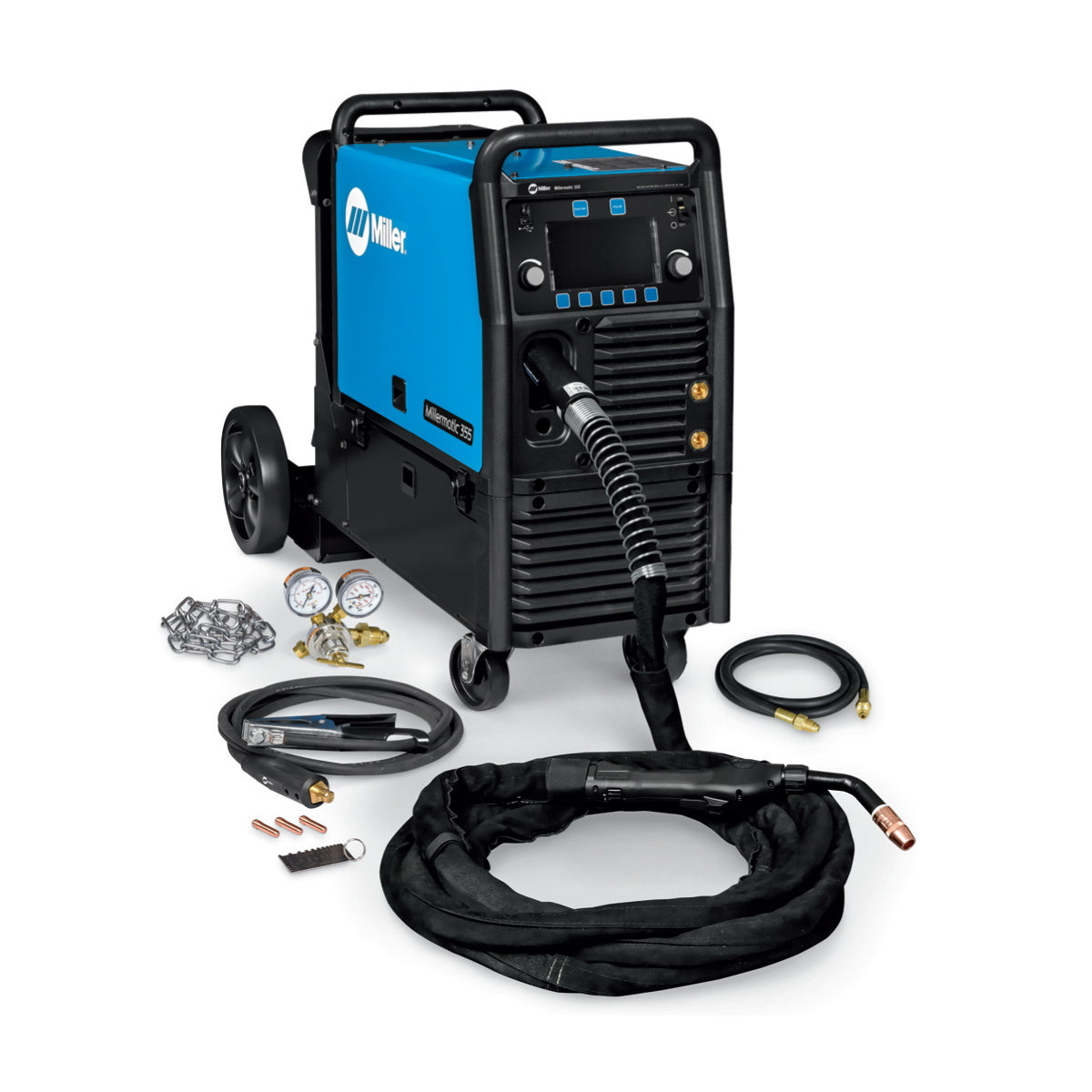
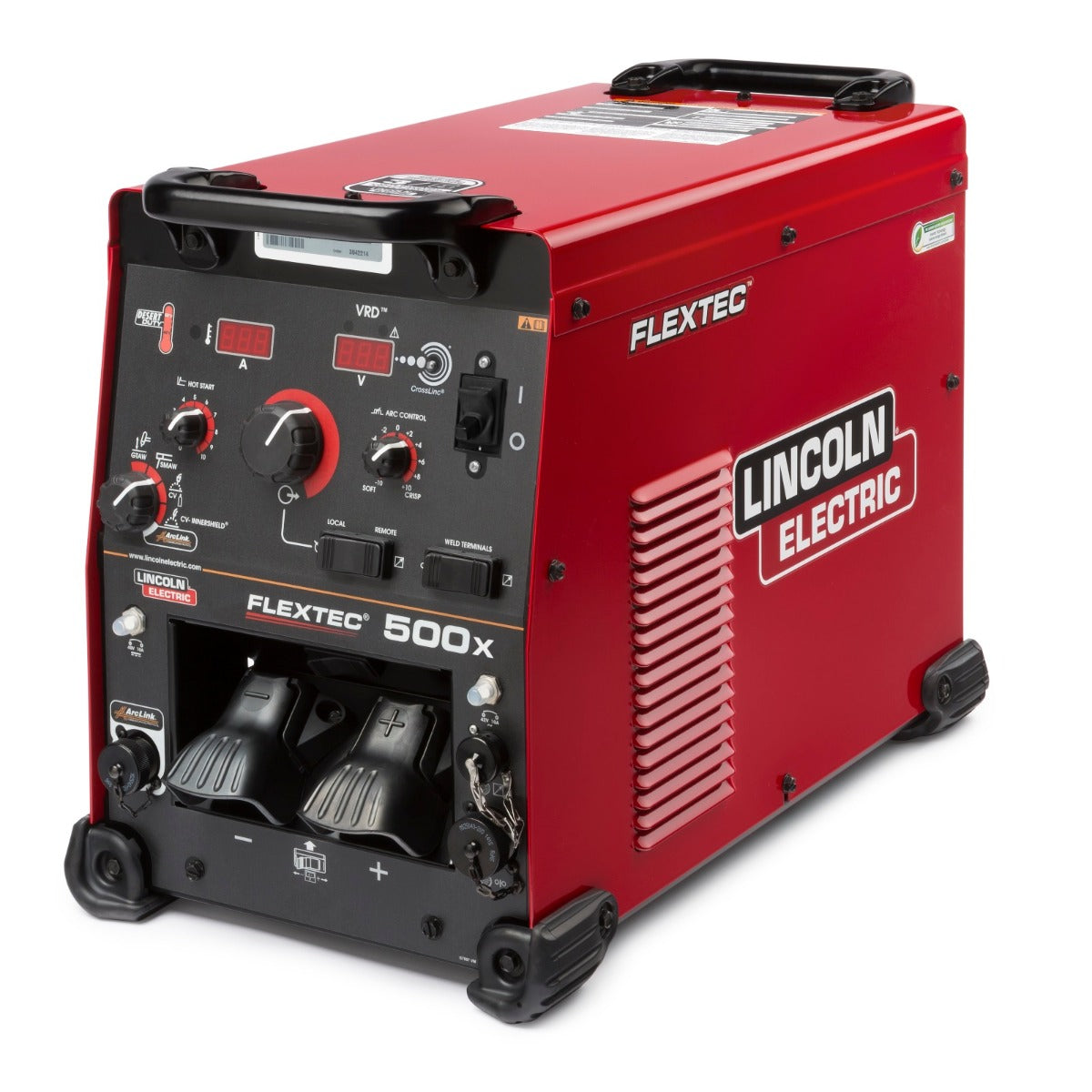
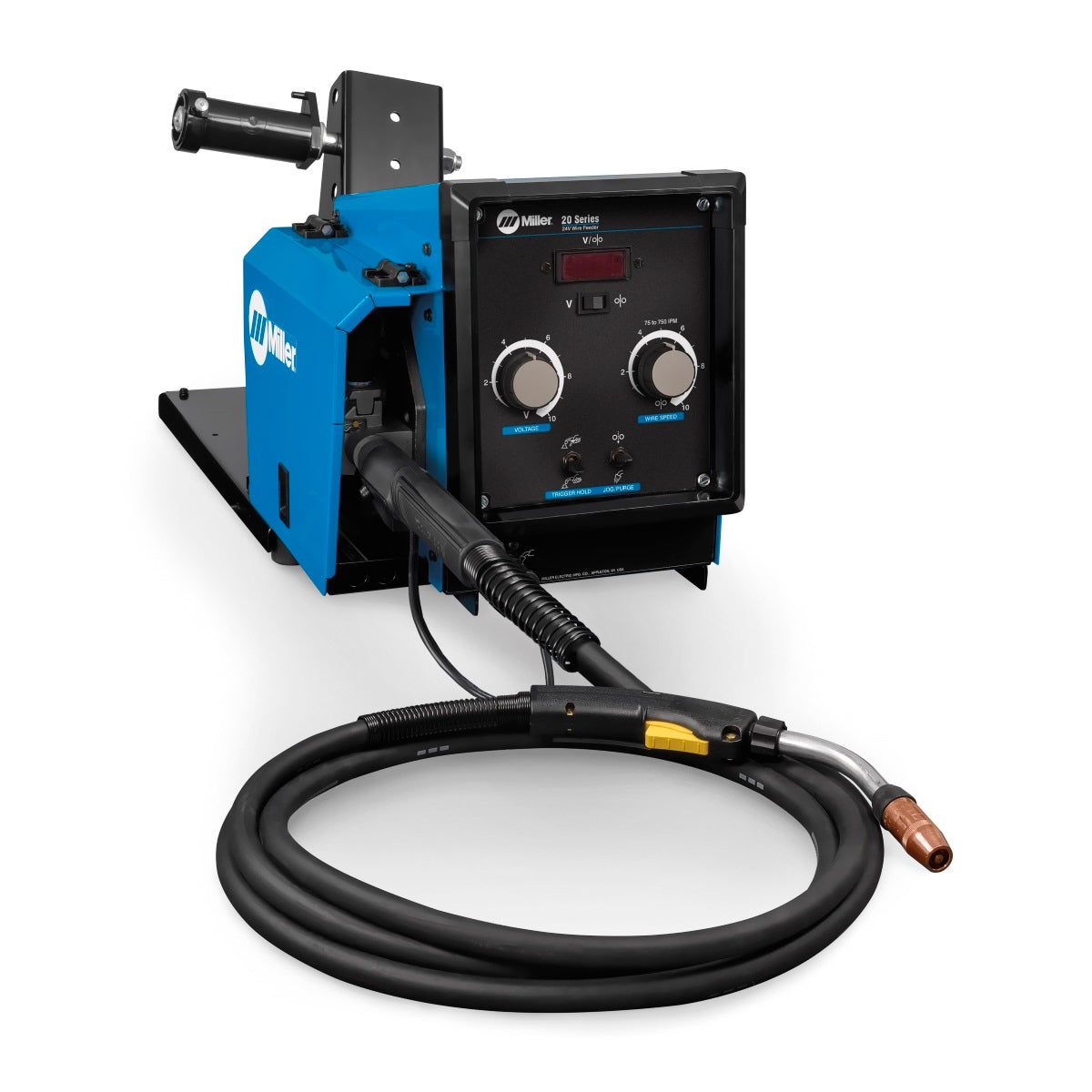
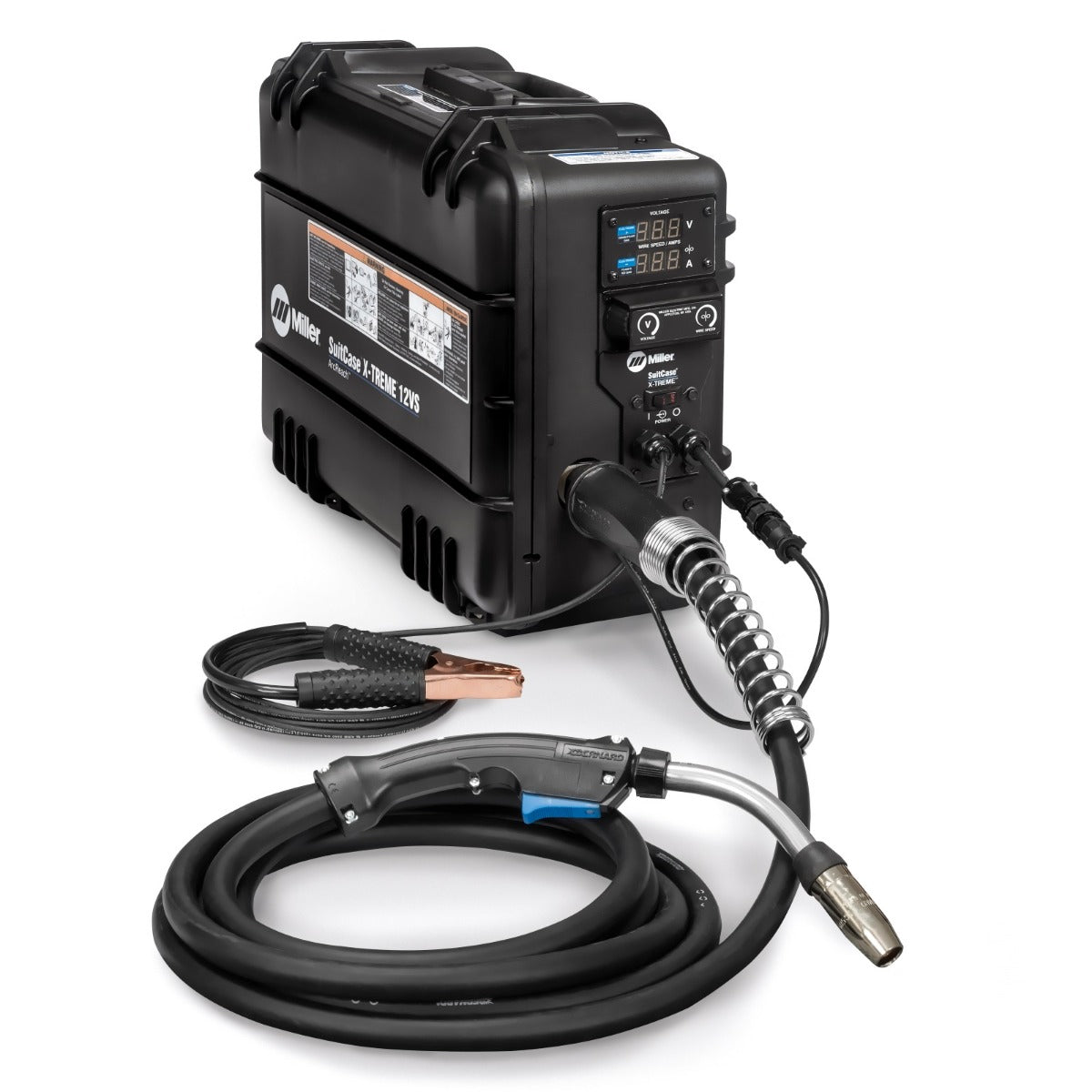
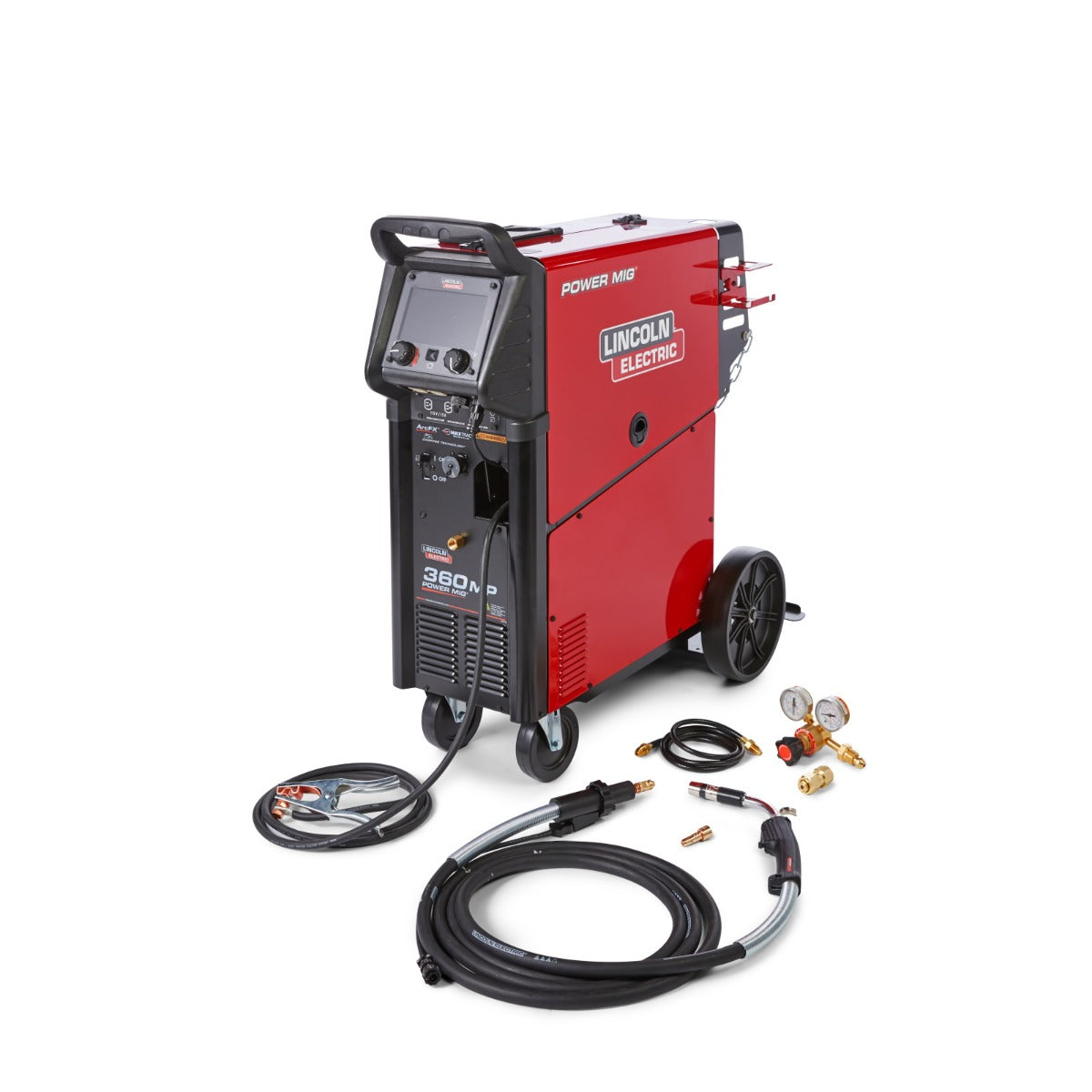
MIG welding machines are the most popular choice for hobbyists and professionals alike, valued for being fast, versatile, and beginner-friendly. Whether you are setting up a home shop, tackling automotive repairs, or running production in a fabrication shop, the right MIG welder makes clean, strong welds far easier to achieve. Browse our full range of MIG welding machines below, then read our buying guide for help choosing the right one.








What is MIG Welding
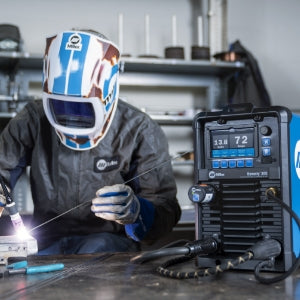
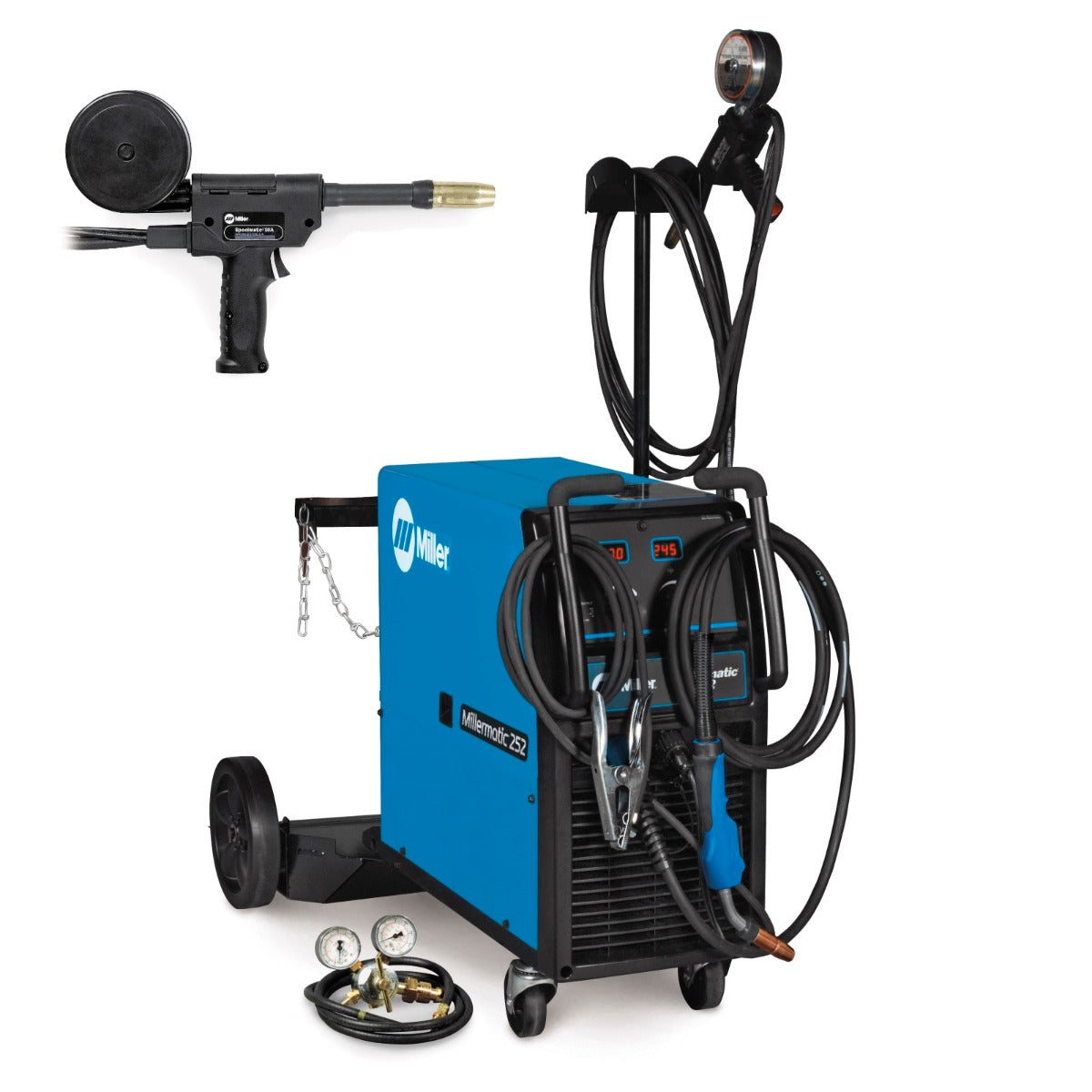
MIG (Metal Inert Gas) welding, also called gas metal arc welding (GMAW), feeds a continuous wire electrode through the gun and into the joint while a shielding gas protects the molten weld pool from contamination. The result is a fast, clean process that is genuinely easy to learn and works across a wide range of metal thicknesses. That mix of speed and simplicity is why MIG welding machines are the go-to for everything from weekend home shop projects to high-volume fabrication.
Best MIG Welders for Beginners
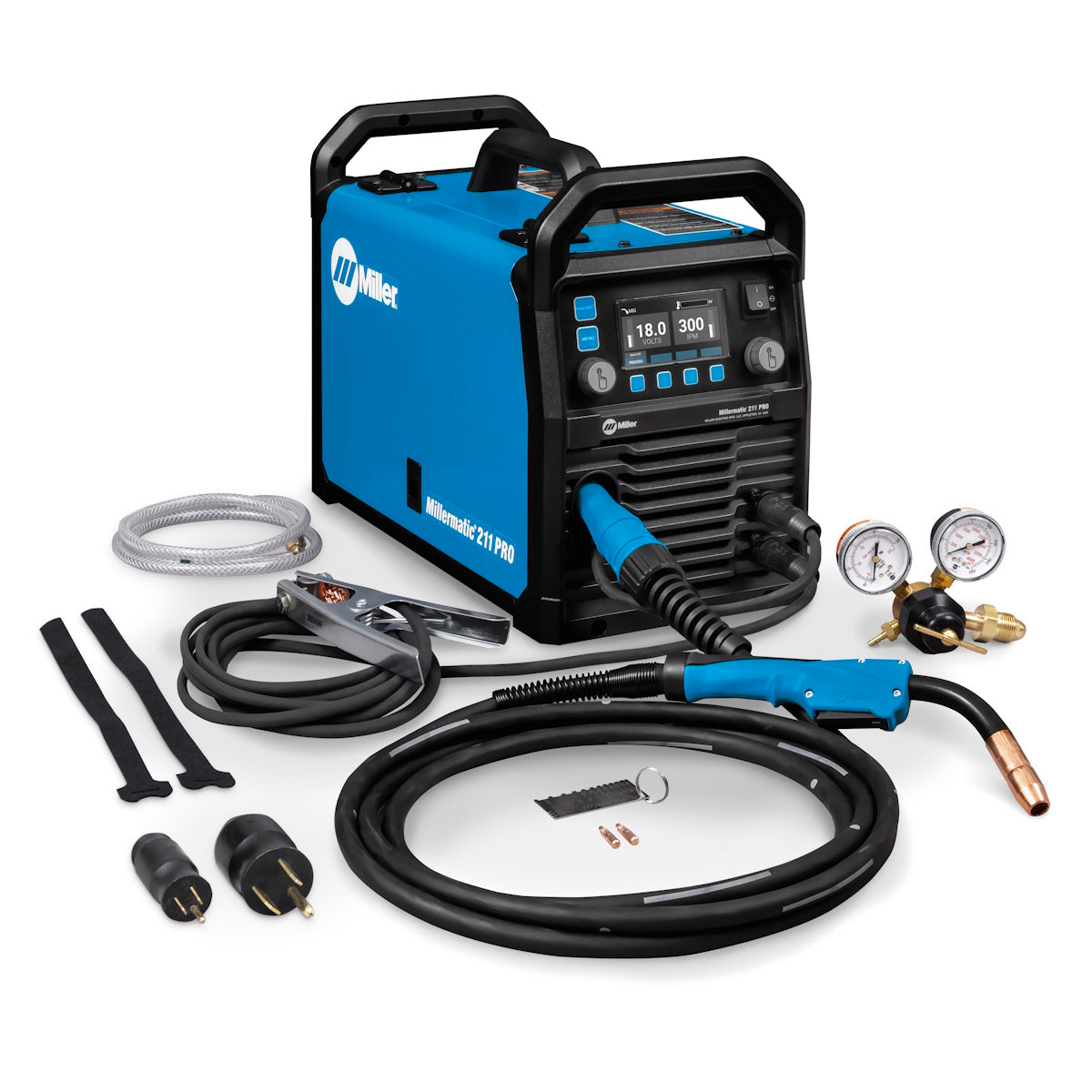
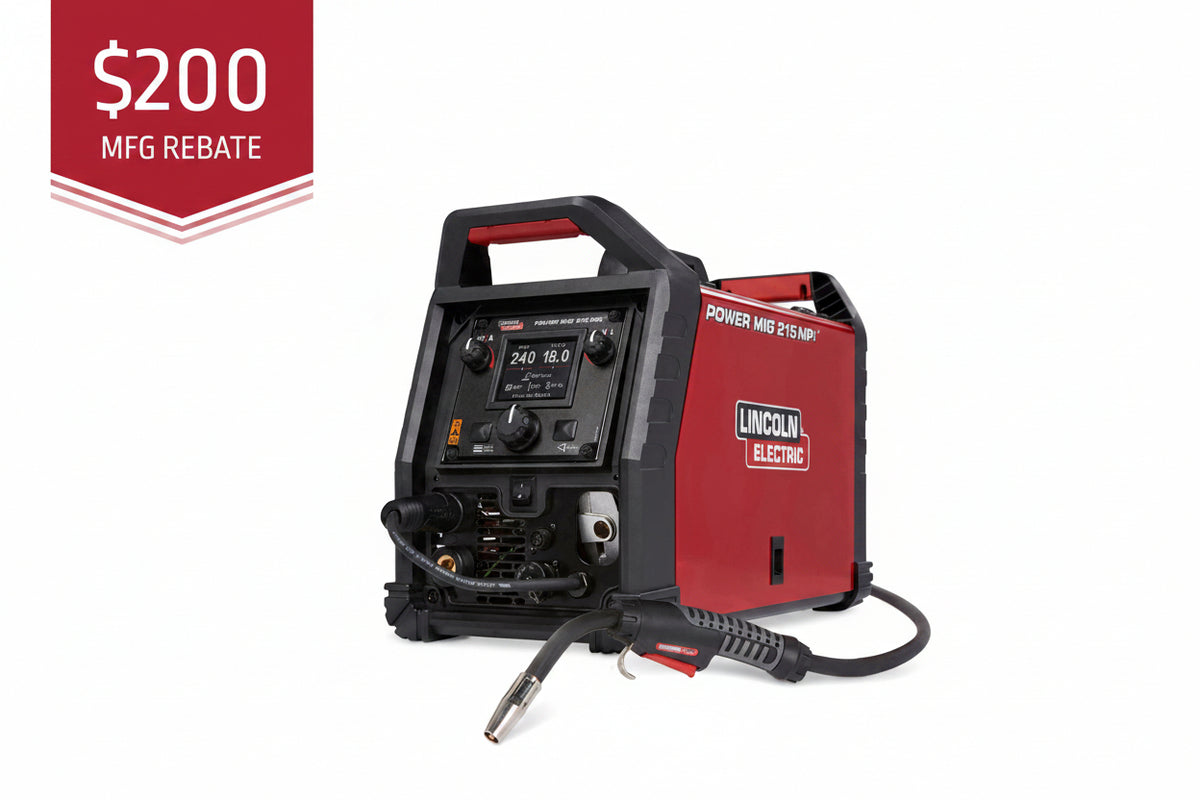
If you are shopping for a MIG welder for beginners, look for simple controls, forgiving settings, and enough range to grow into. Many entry-level MIG welding machines run on standard 120V household power, which makes them ideal for a garage or home shop, and models with preset or automatic settings take the guesswork out of voltage and wire speed so you can focus on technique. Both Miller MIG welders and Lincoln MIG welders offer dependable beginner-friendly machines built to last. Many first-timers also start with flux-core wire, which needs no shielding gas and makes an even simpler entry point for basic repairs and learning to run a bead.
Industrial MIG Welding Machines
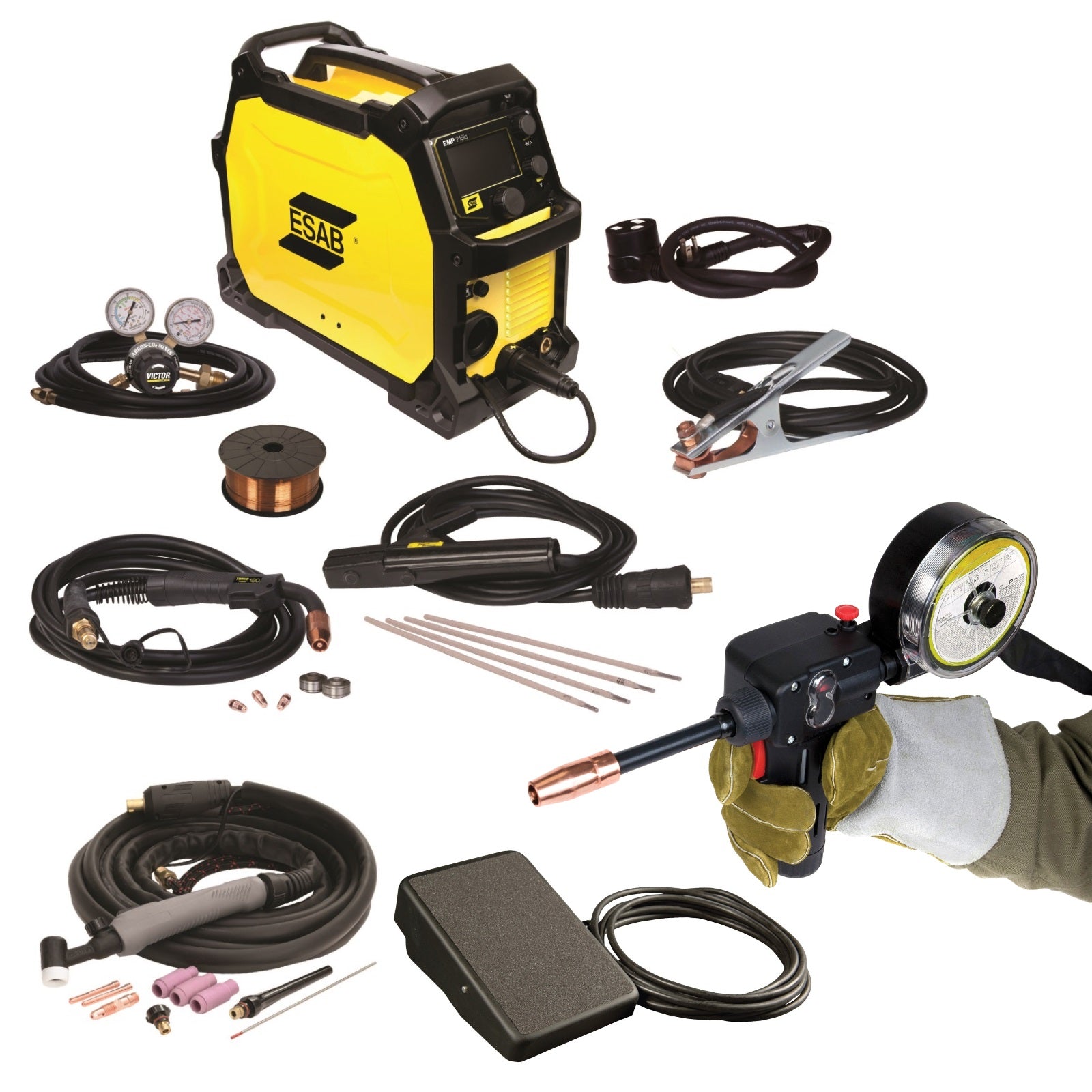
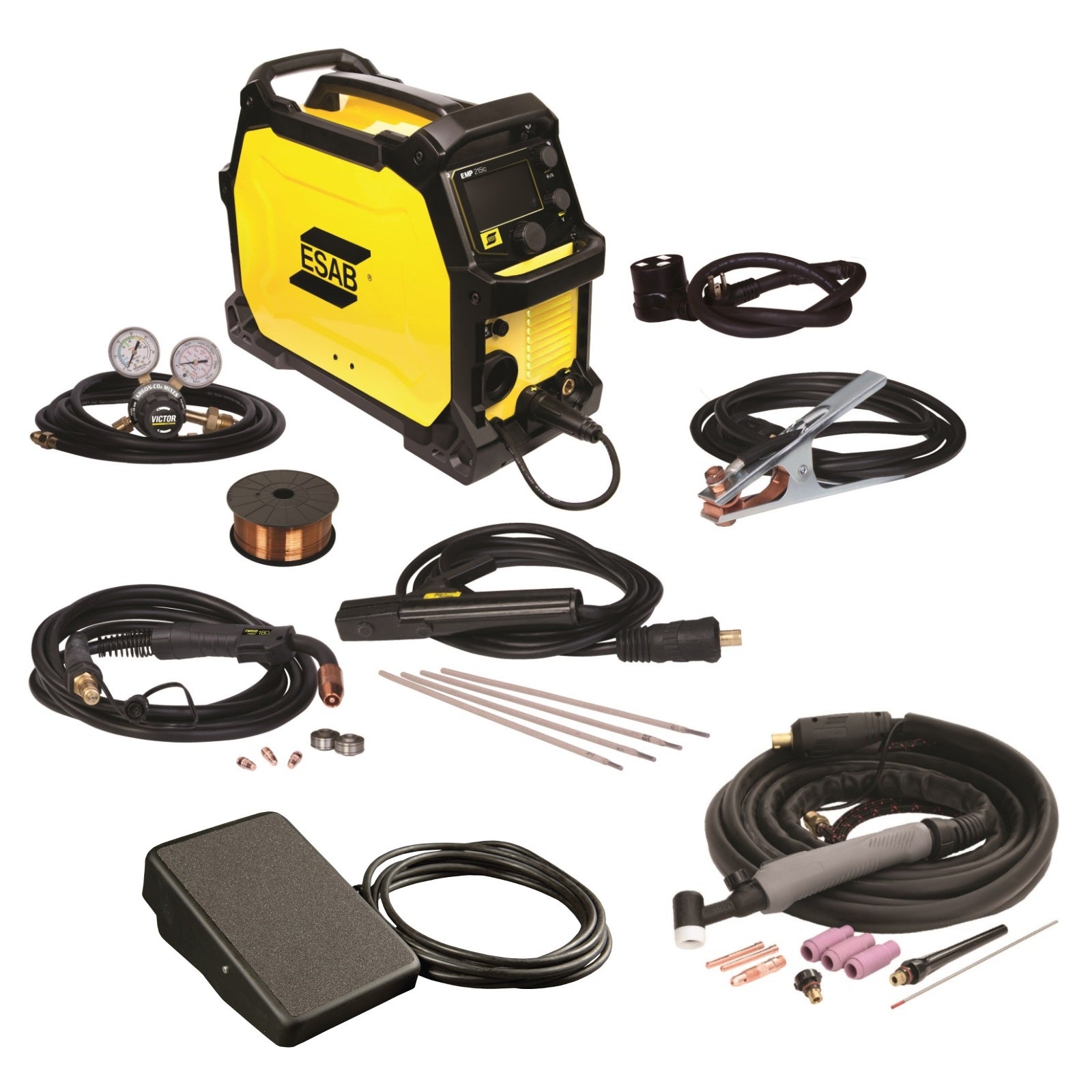
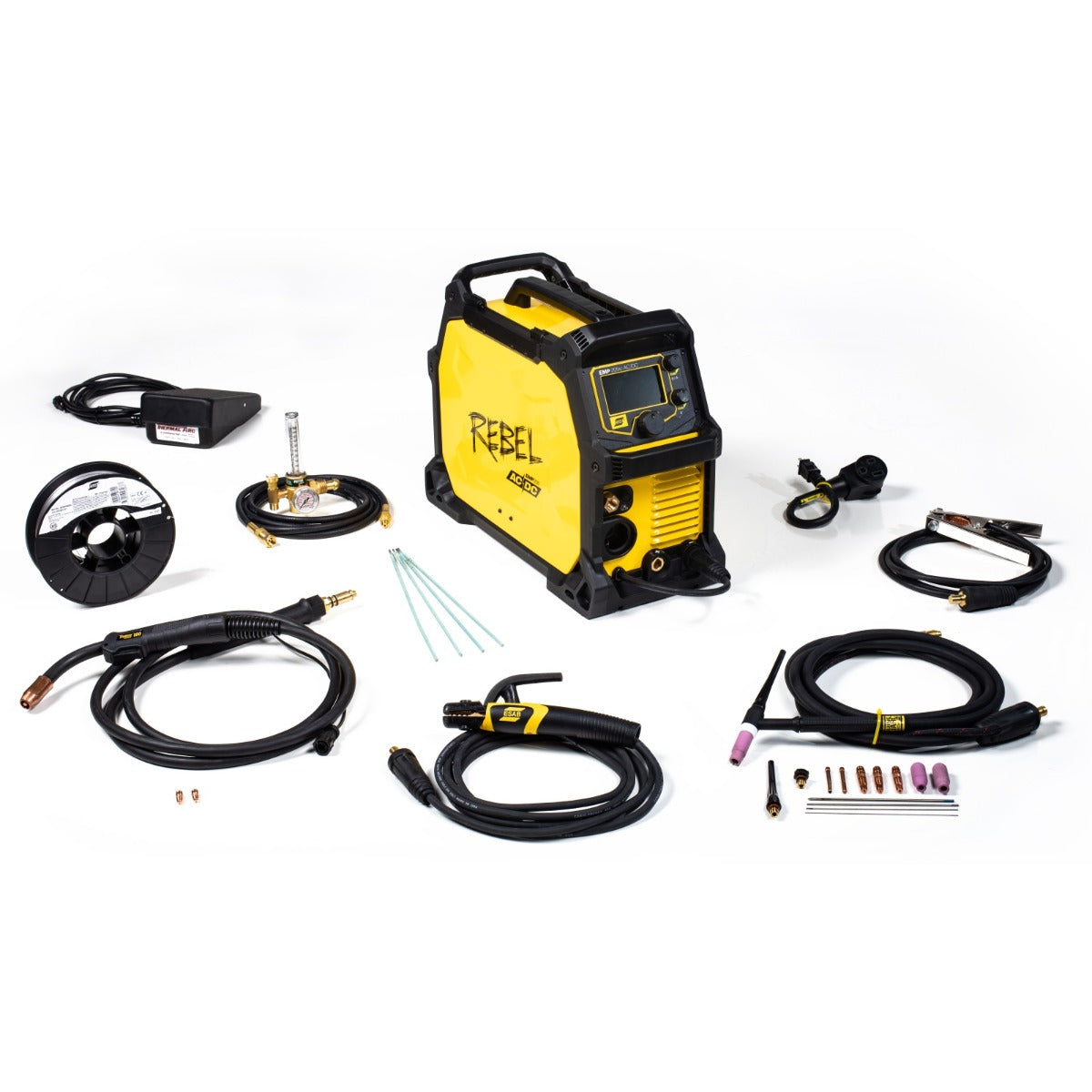
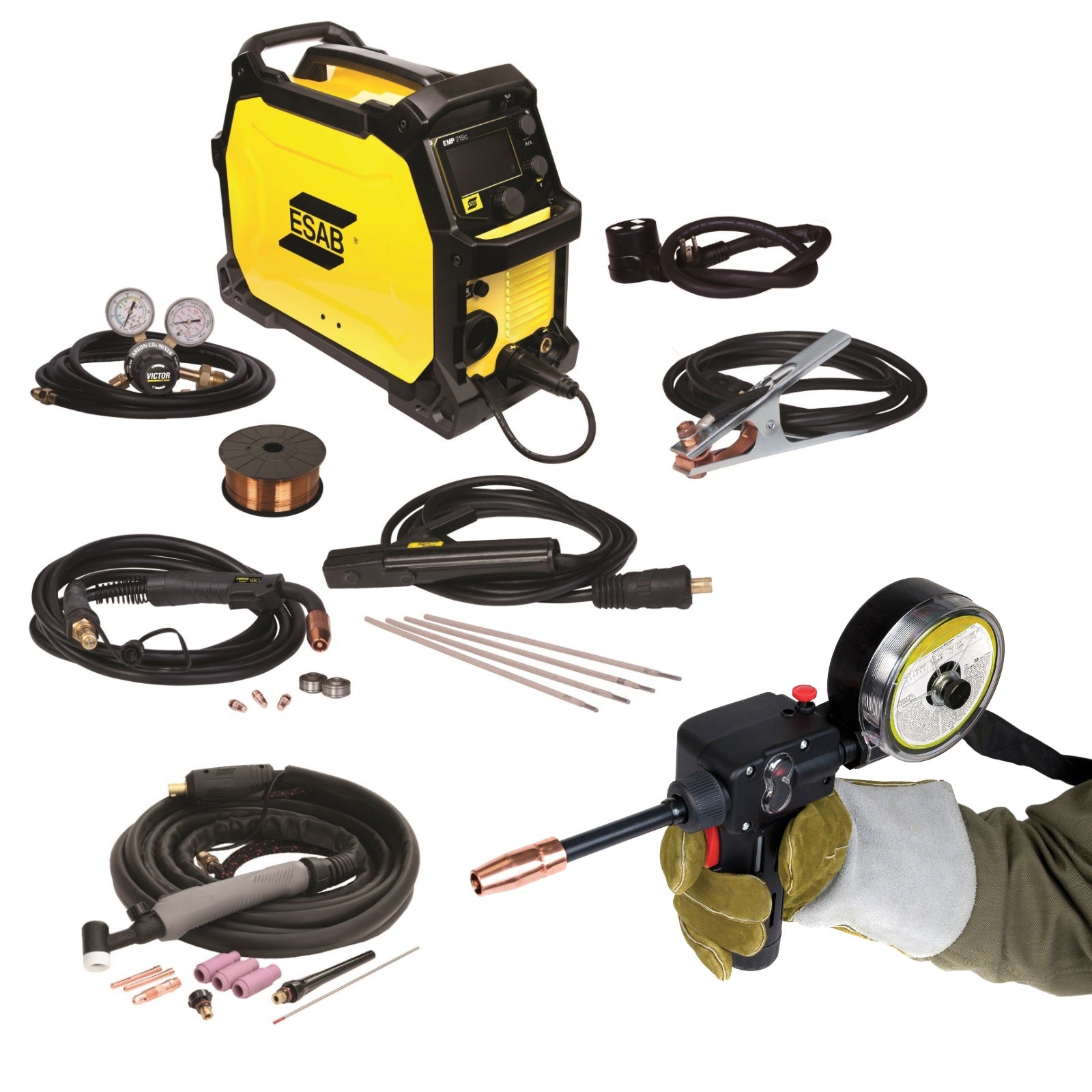
For professional fabrication, production, and heavy-duty work, industrial MIG welding machines deliver higher amperage, higher duty cycles, and the ability to run on 240V or three-phase power. These machines weld thicker material and handle long weld runs without overheating, and many support pulsed MIG and aluminum spool guns for specialized jobs. Shops that weld a variety of materials often choose multiprocess welders, which combine MIG, TIG, and stick capability in a single unit, adding flexibility without adding floor space.
MIG vs TIG Welding
MIG and TIG are the two most common wire-and-gas processes, and each has its place. MIG is faster, easier to learn, and better suited to thicker material and high-volume work, which makes it the practical pick for most home and production welding. TIG welding gives you finer control and a cleaner, more precise bead, which is why it is favored for thin material and show-quality work, but it has a steeper learning curve. If your work spans both, a multiprocess machine lets you switch between them on one welder.
Choosing the Right MIG Welder
The right MIG welding machine depends on what you weld and where you weld it. Weigh these factors before you buy:
• Material type and thickness, from mild steel and stainless to aluminum
• Amperage range that matches the work you do most
• Input voltage available to you, whether 120V, 240V, or three-phase
• Duty cycle, or how long the machine welds before it needs to cool
• Portability, for fieldwork versus a fixed home shop or production bay
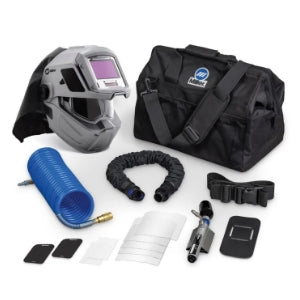
Do not overlook the gear that works alongside the machine. A quality welding helmet, the right welding wire, and reliable welding accessories such as liners, contact tips, and ground clamps all shape the quality of your welds as much as the welder itself.
Frequently Asked Questions
The best beginner MIG welder is one with simple, forgiving controls and enough range to grow into. Many new welders start with a 120V machine that runs on household power and offers preset or automatic settings, which removes most of the guesswork. Miller and Lincoln both make dependable entry-level models that hold their value and last for years.
MIG welders handle a huge range of work, from automotive repair and home shop projects to fabrication, farm and trailer repair, and structural steel. With the right wire and shielding gas, a single MIG machine can weld mild steel, stainless steel, and, with the proper setup, aluminum.
Size comes down to material thickness and available power. Light hobby, automotive, and home shop work is comfortable on a 120V machine in the 140 to 180 amp range, while thicker material and steady production work call for a 240V machine with higher amperage and a higher duty cycle.
For most people, yes. MIG is faster to learn because the machine feeds the wire for you and the technique is more forgiving of small mistakes. TIG asks you to coordinate both hands and usually a foot pedal, which takes more practice, though it rewards you with finer control and a cleaner bead.
Yes, with the right setup. Aluminum wire is soft and usually needs a spool gun to feed reliably, along with 100% argon shielding gas. Many mid-range and multiprocess MIG welding machines are aluminum-capable out of the box or with an add-on spool gun.