 Skip to content

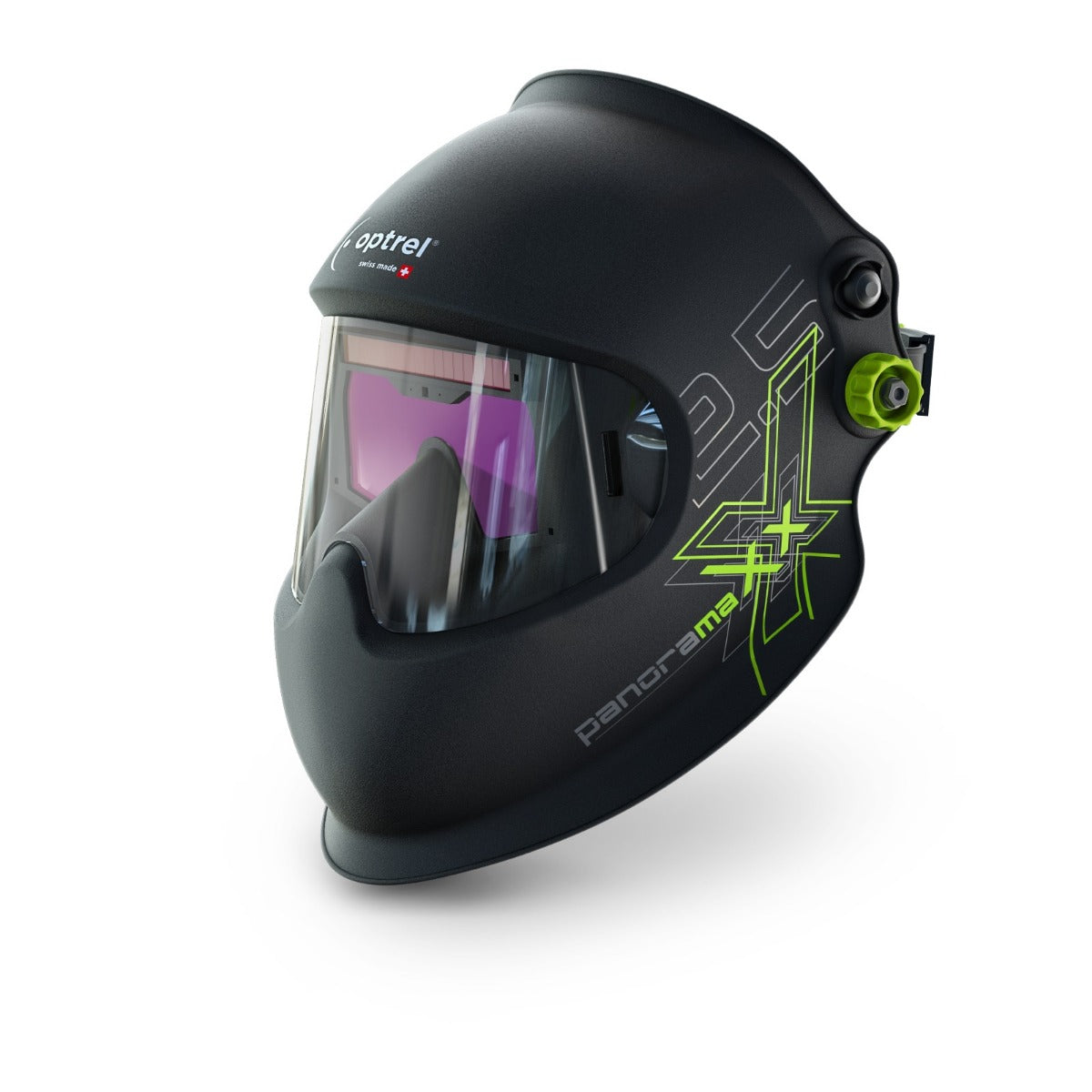
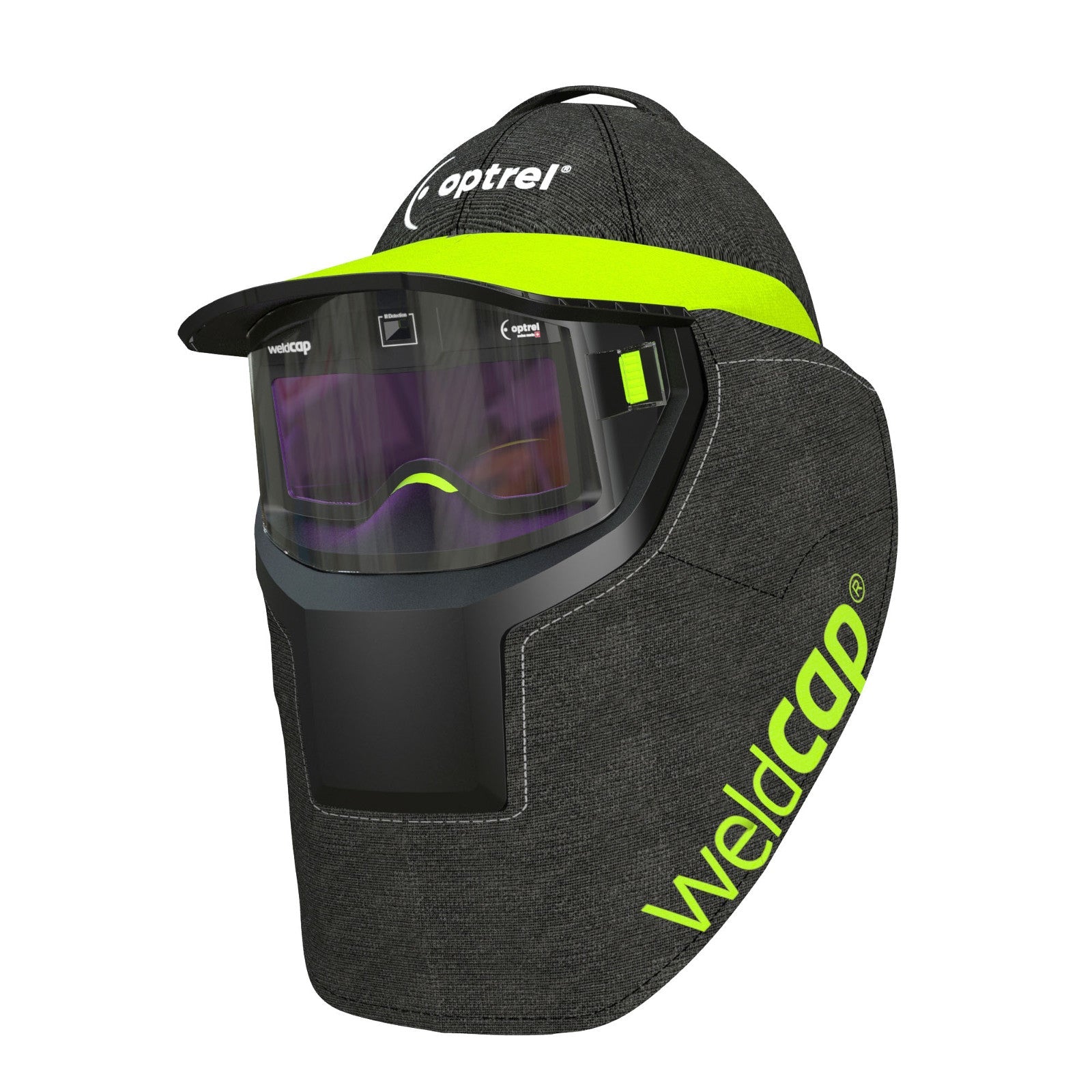
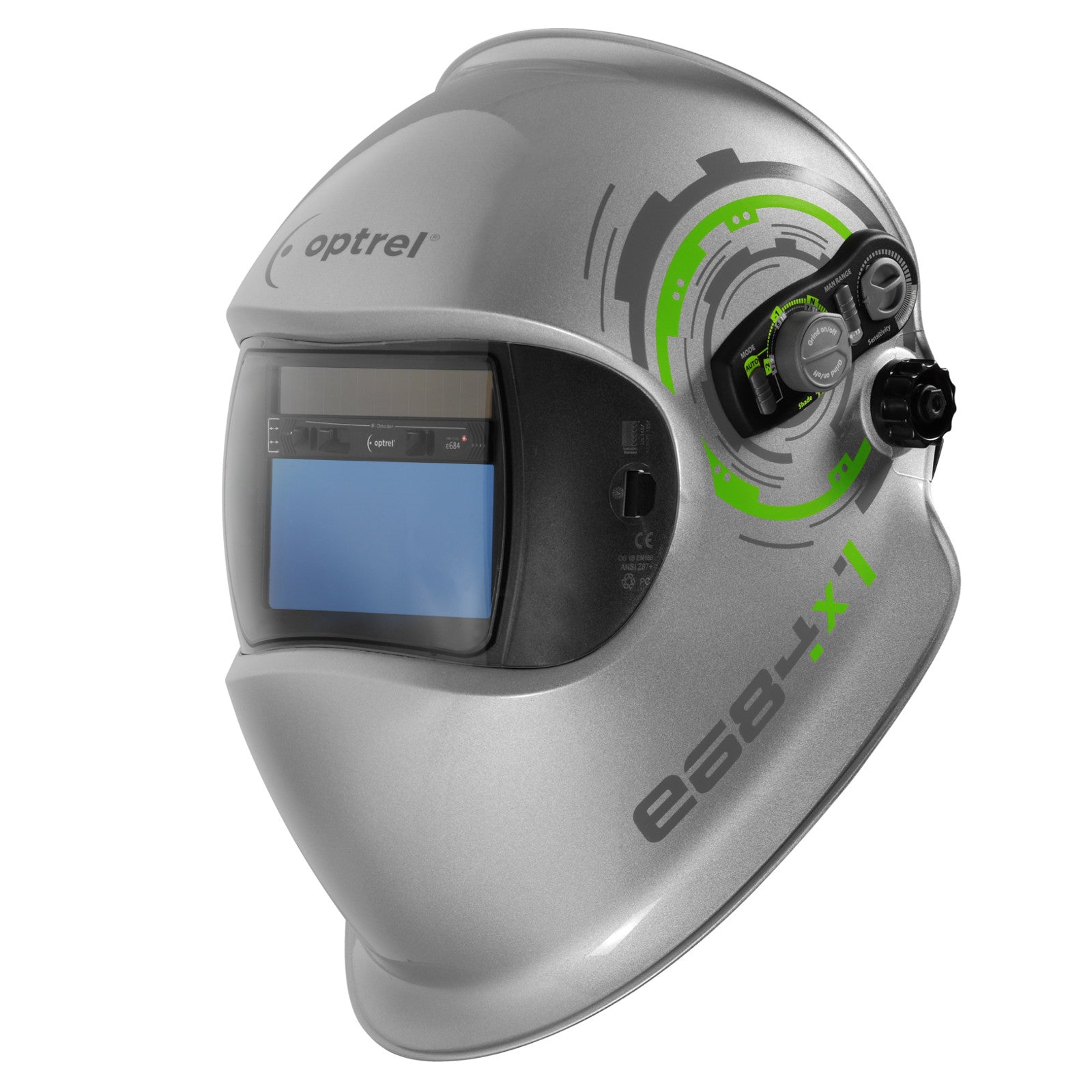
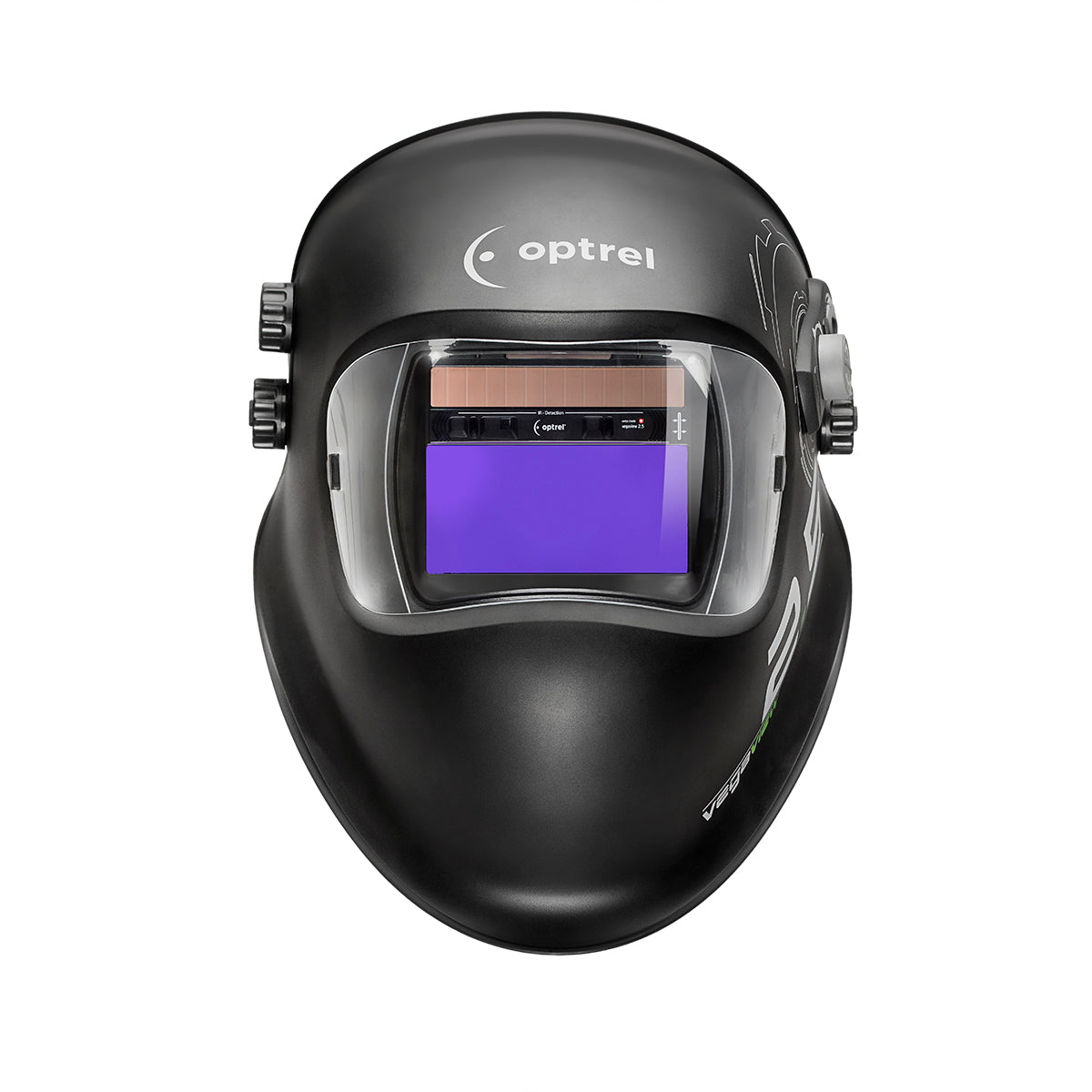
Welding Helmets
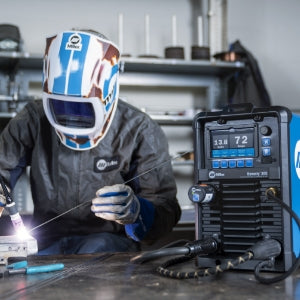
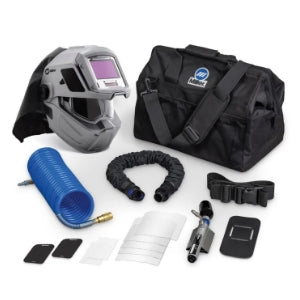
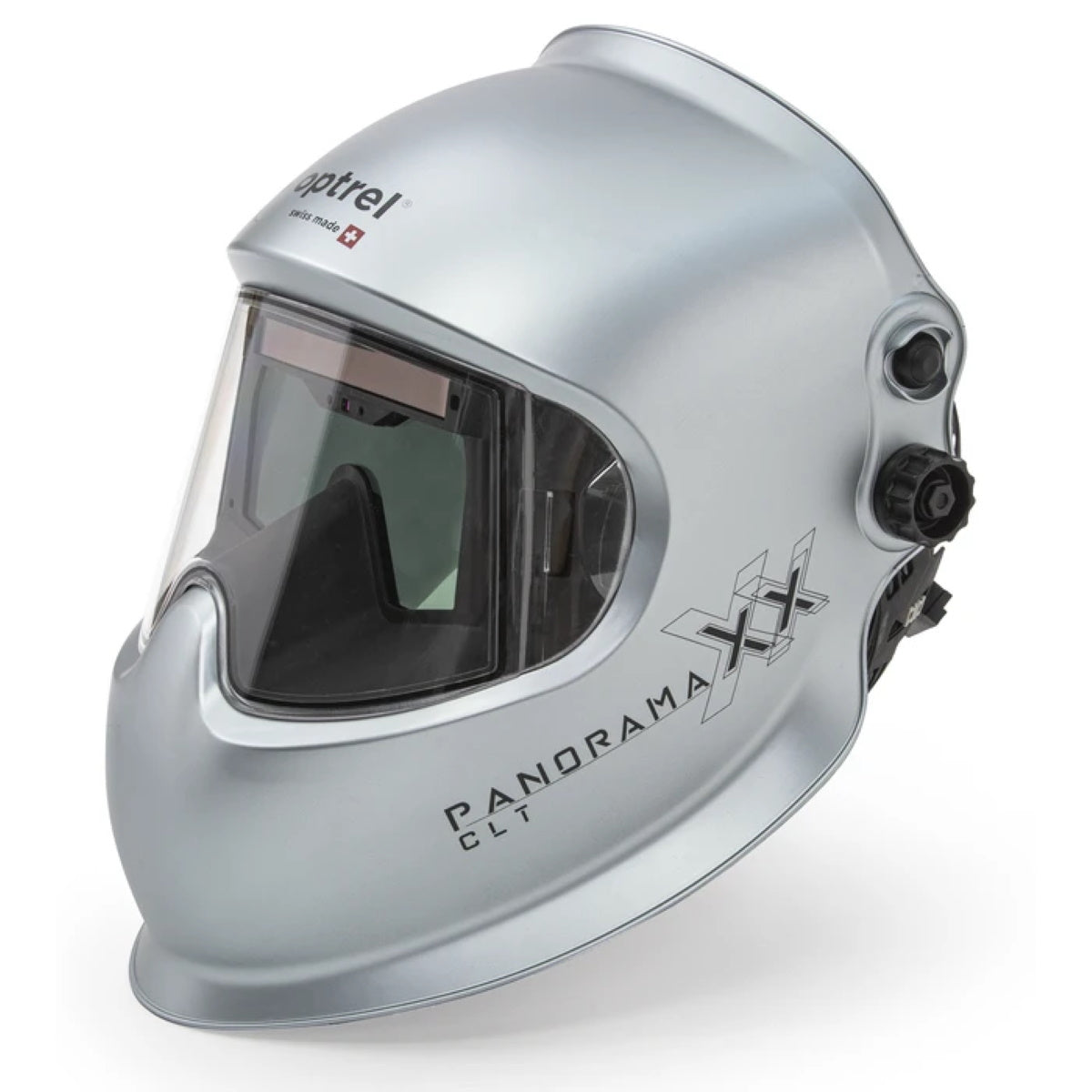
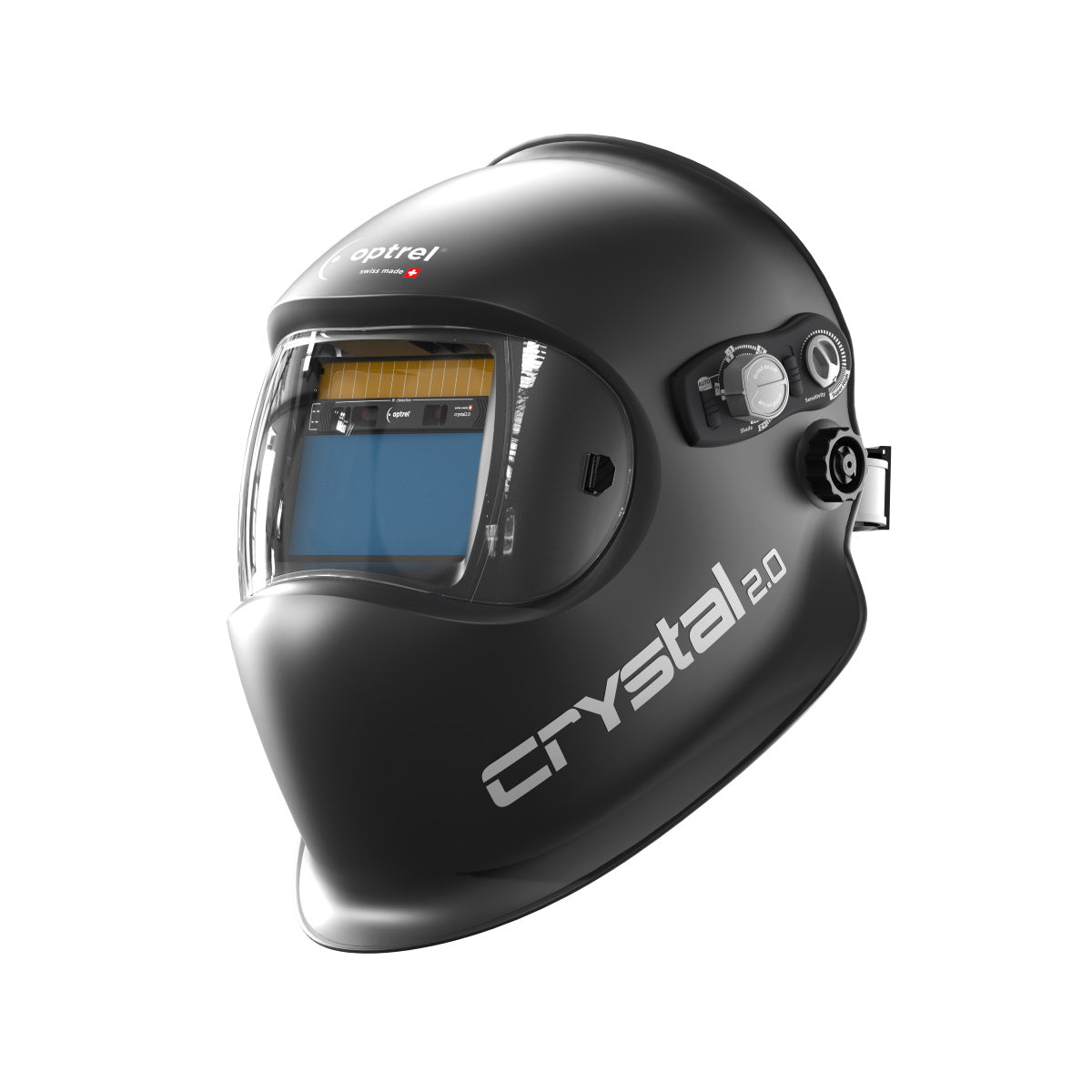
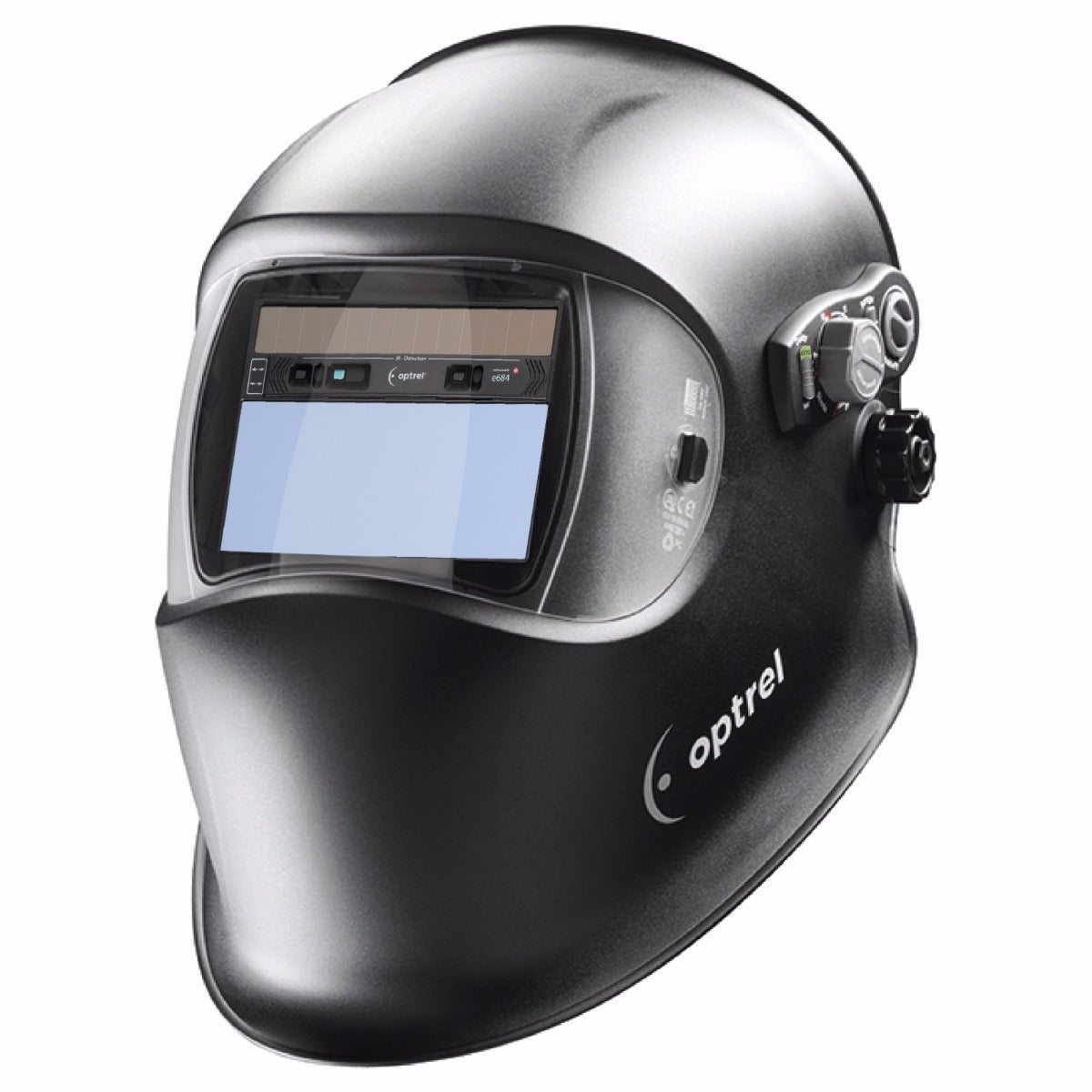
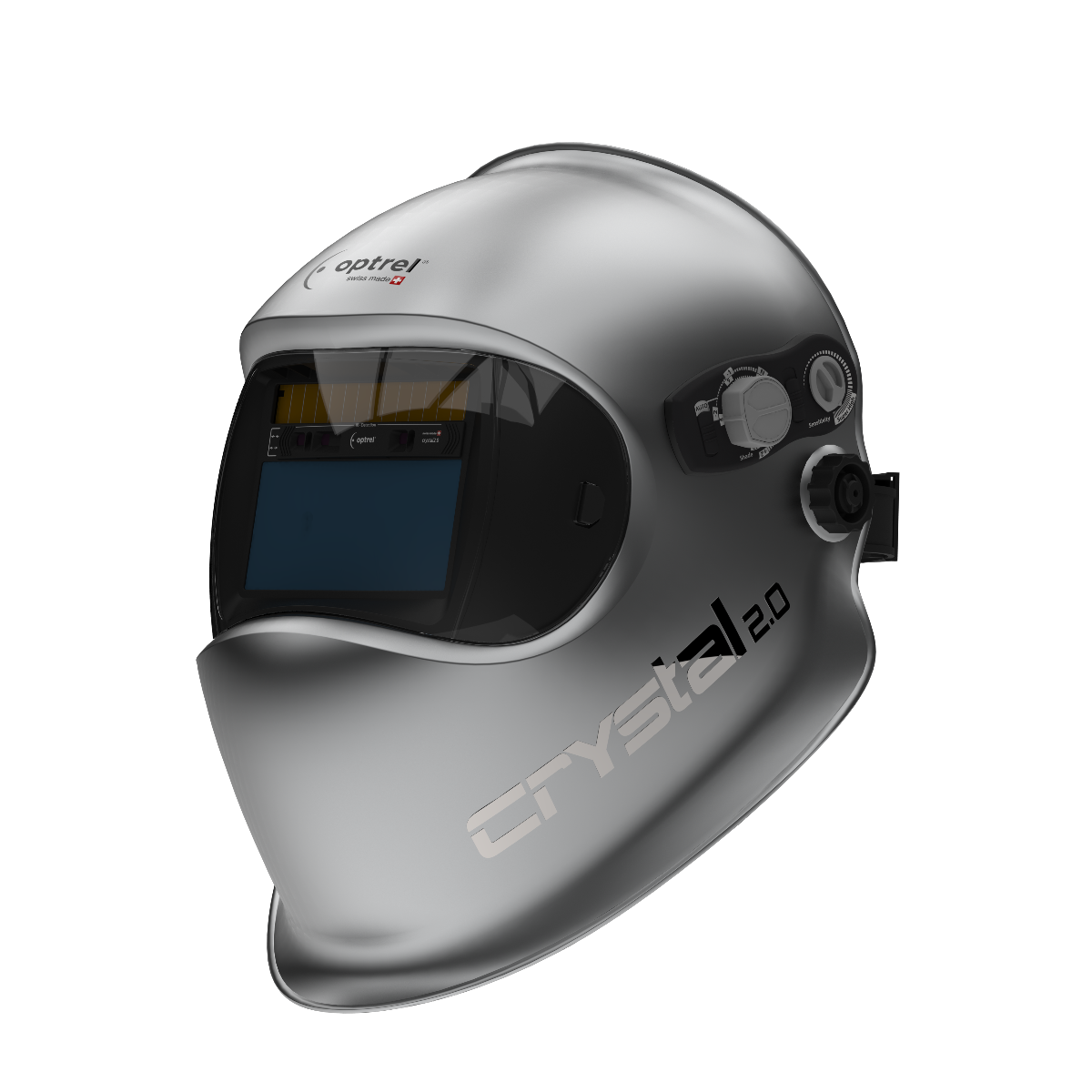
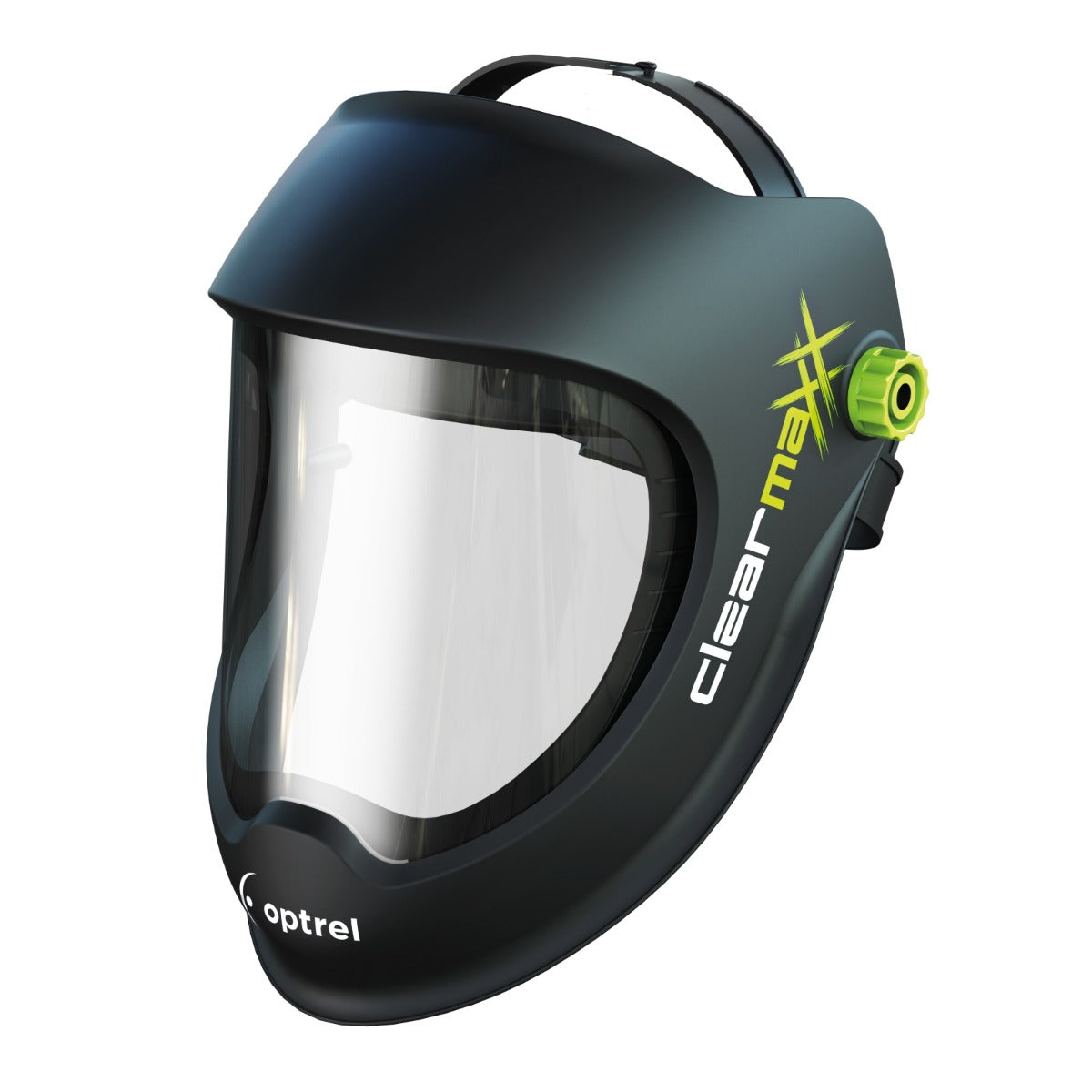
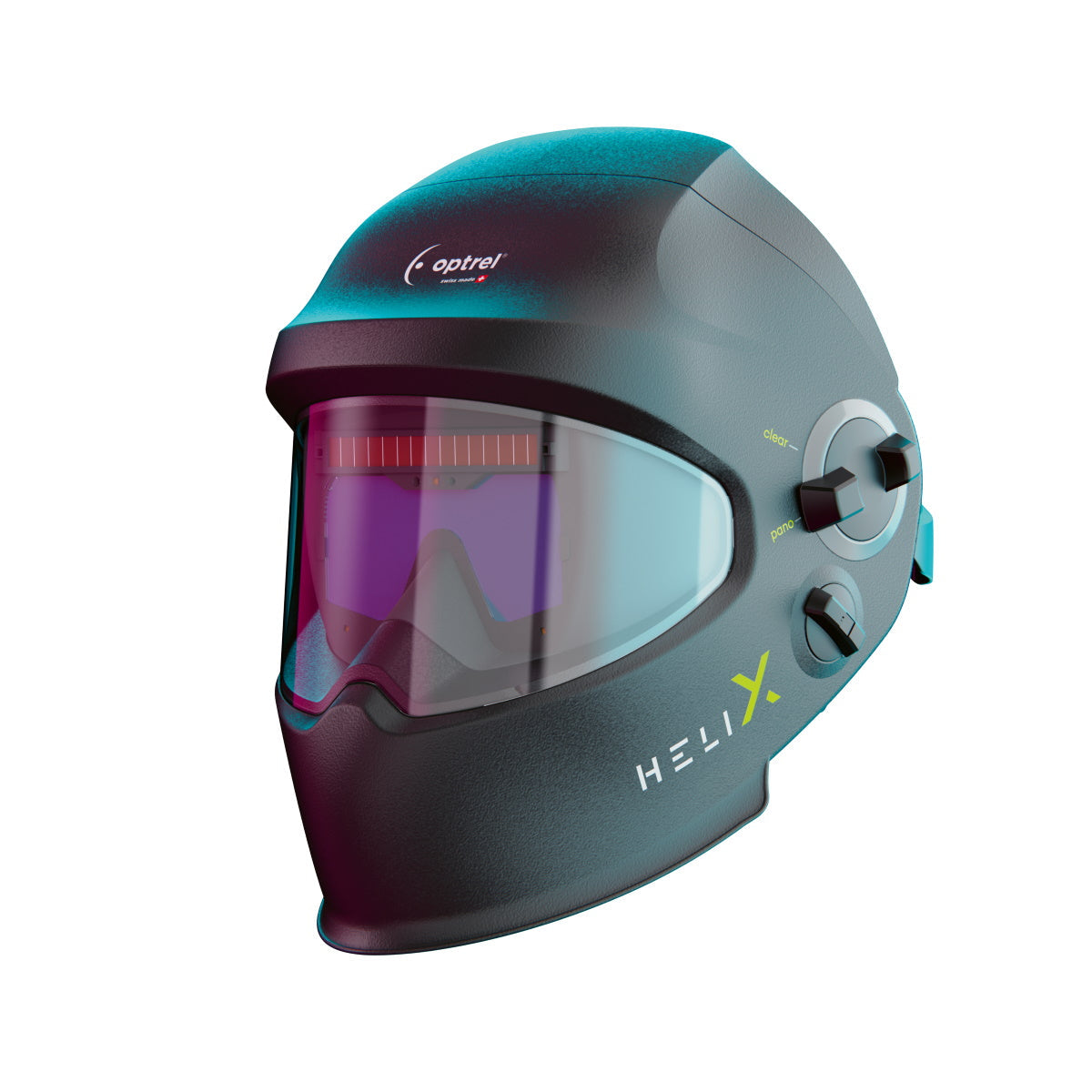
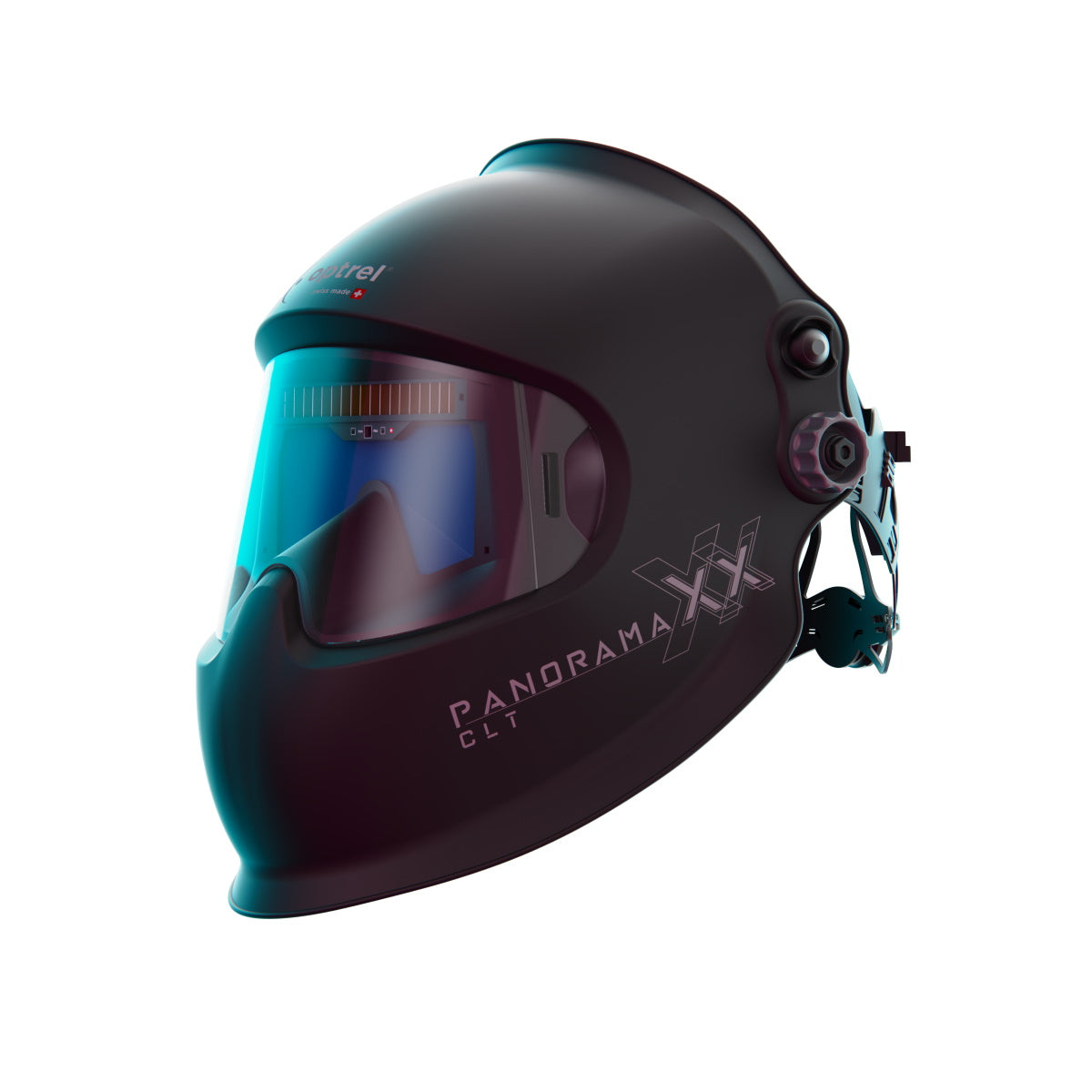
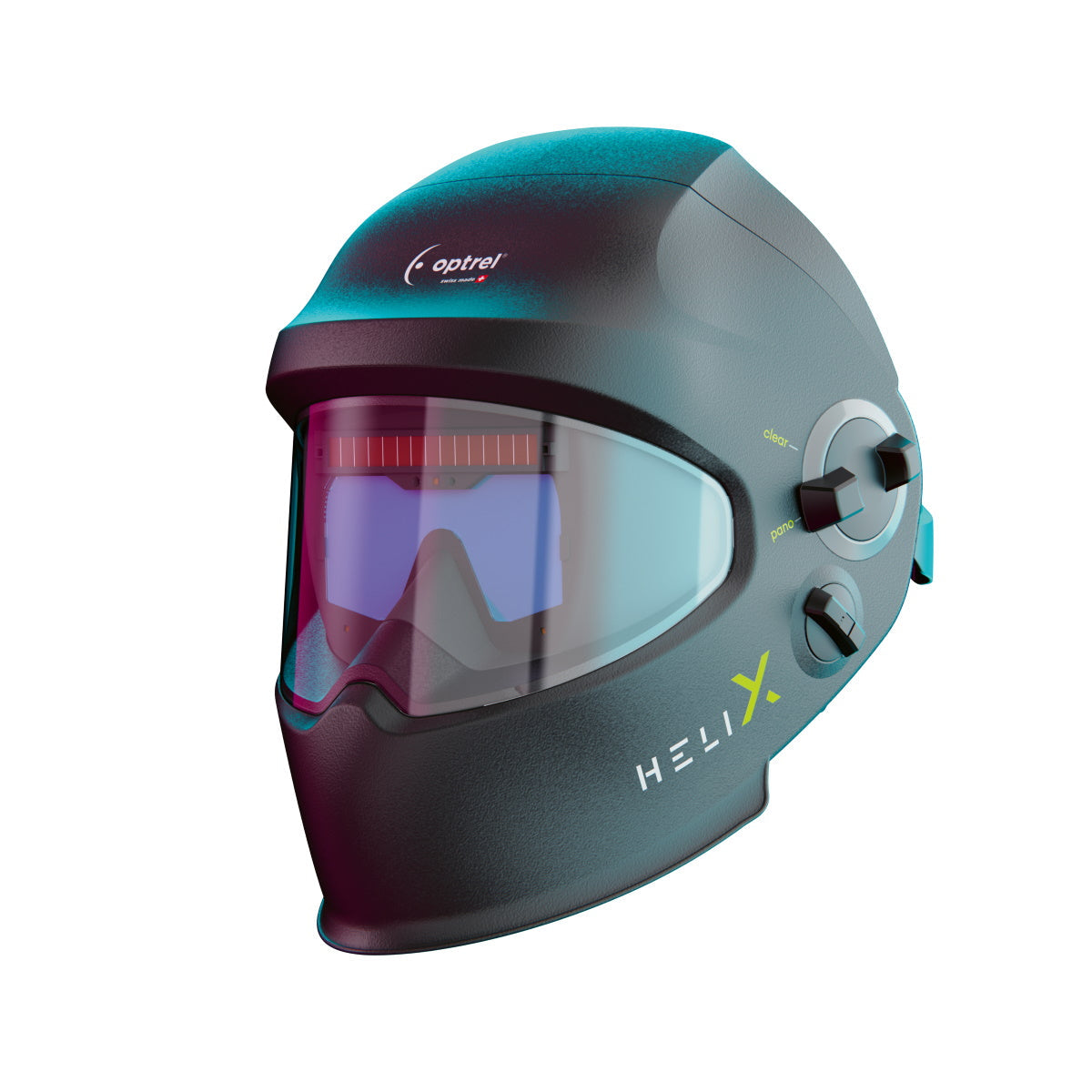
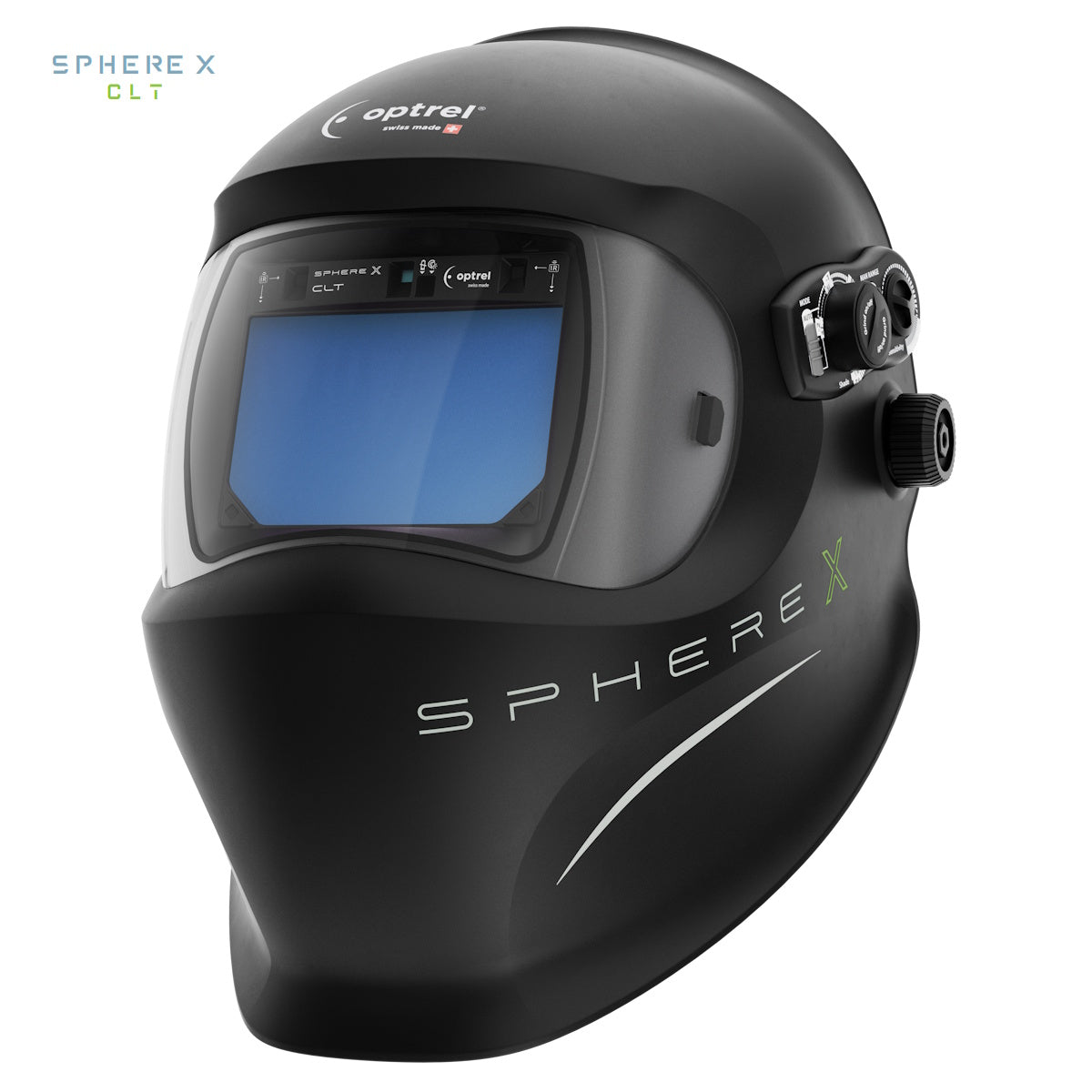
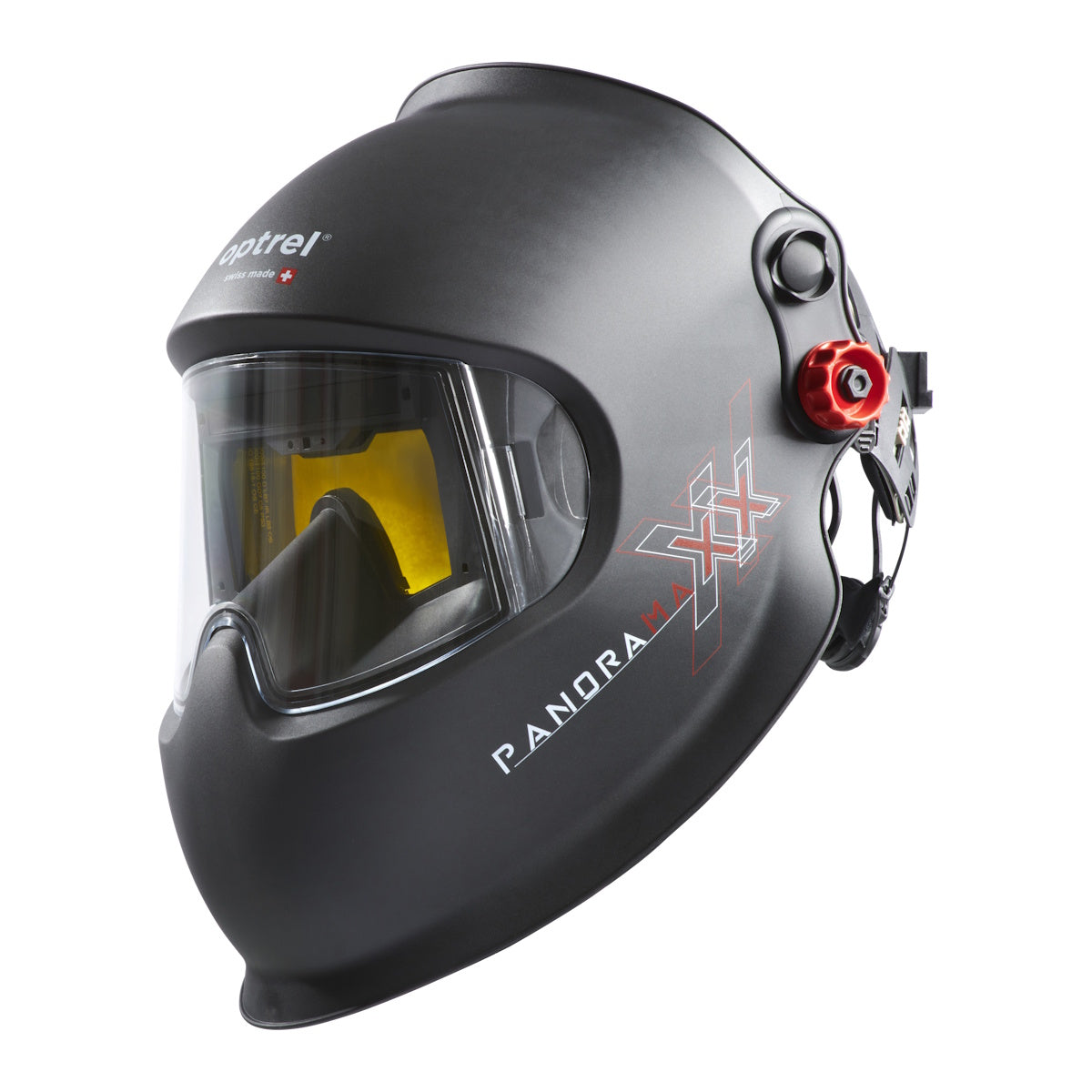
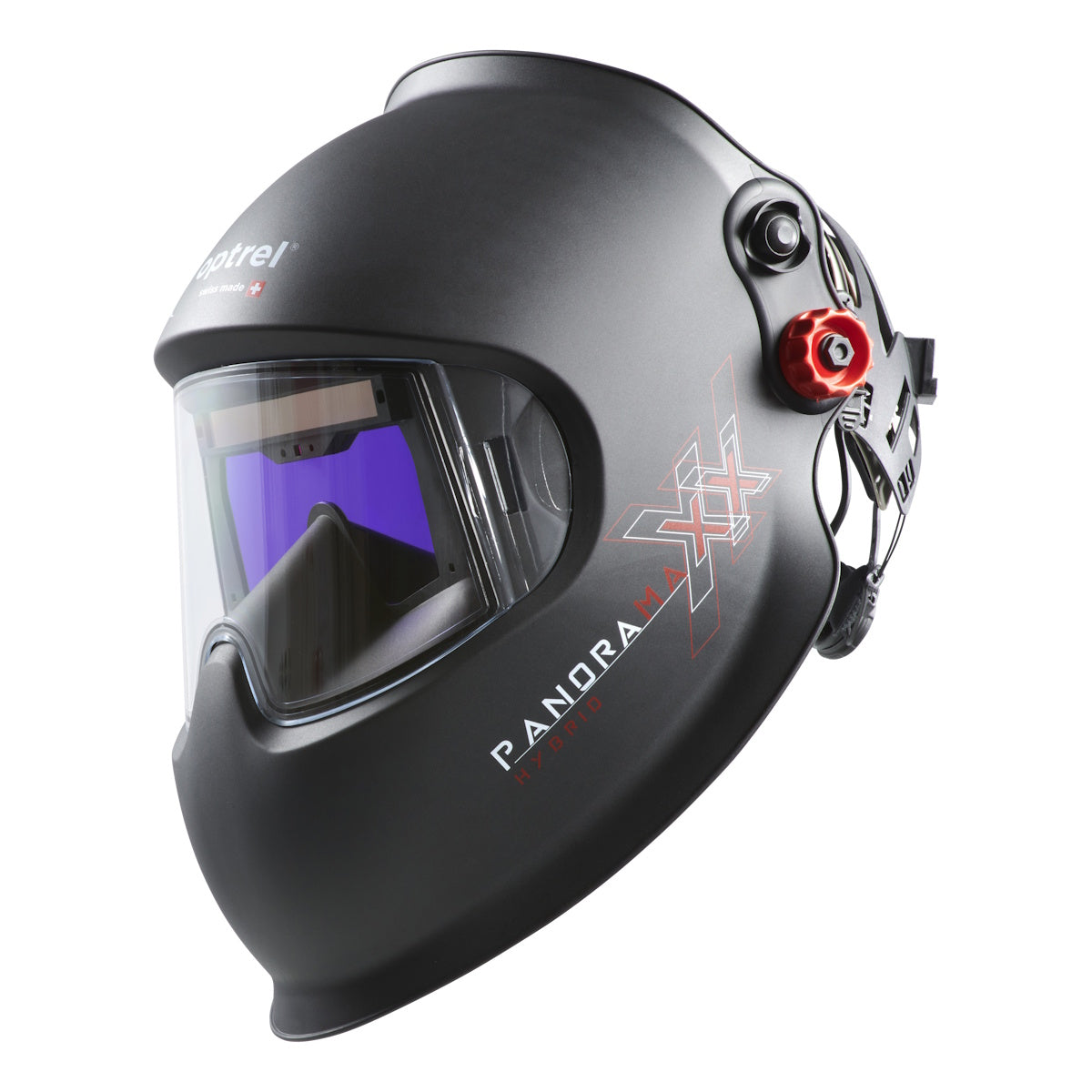
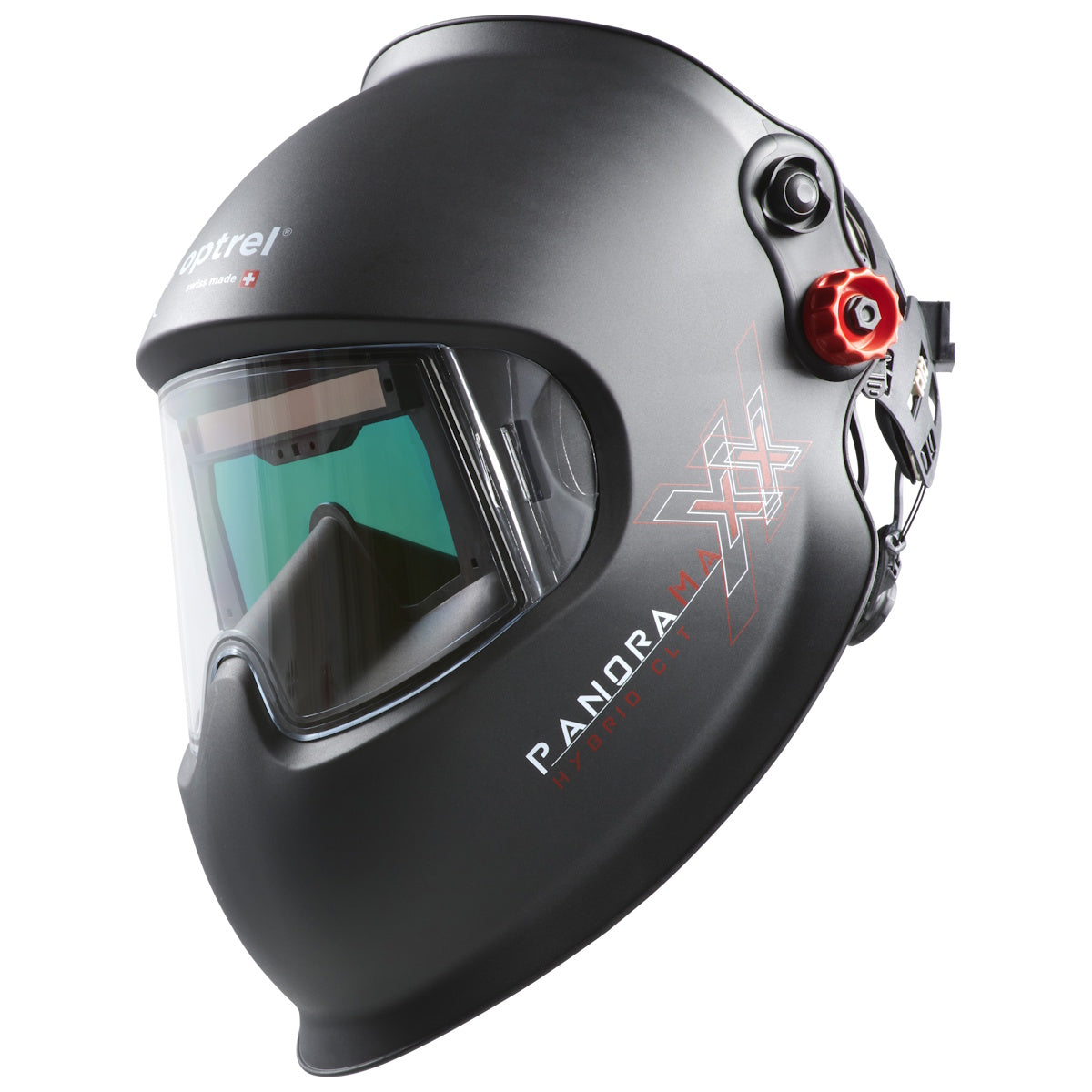
Welding helmets are an essential piece of welding equipment. Welders need to choose the right welding helmet to stay safe and get the job done right. Whether you're looking for a Miller welding helmet, a Lincoln welding helmet, or something from top brands like ESAB, Hobart, Optrel, or 3M, there’s a perfect option for every type of welder. At Welding Supplies from IOC, we carry a wide variety of hood welding helmets designed to meet the needs of both professionals and beginners.
Auto-darkening helmets are hard to beat when it comes to protection and convenience. Auto-darkening helmets are also extremely convenient. These helmets automatically adjust to changing light conditions to give you a clear view of your work while keeping your eyes safe from harmful sparks and UV rays. From budget-friendly options to high-performance designs, we’ve got the best welding helmets to fit your style, comfort, and budget.
Brands like Miller, Lincoln, Hobart, and ESAB are known for creating durable, reliable helmets that can handle tough jobs. 3M and Optrel welding helmets, on the other hand, bring advanced technology and sleek designs for welders who demand top-tier performance. Regardless of the brand you choose, every helmet we offer provides comfort, safety, and the visibility you need to do your job.
As a top welding supplies company, we're committed to helping you find the perfect welding helmet for you. With competitive pricing, fast shipping, and expert customer service, we make it easy to shop for your next welding helmet. Browse our selection of welding helmets, welding machines, plasma torches, consumables, and more today and discover why welders choose Welding Supplies From IOC when buying their welding equipment.
More than any other tool, a welding helmet is personal protective equipment. Every arc gives off intense ultraviolet and infrared radiation, blinding visible light, sparks, and spatter. Without proper eye protection, that energy causes arc flash, a painful burn to the surface of the eye also known as welder’s flash, along with longer-term damage. A quality helmet shields your eyes and face from arc flash, UV and IR rays, and flying debris, which is why welding safety starts with the hood you put on.
For real protection, look for helmets that meet ANSI Z87.1, the U.S. standard for eye and face protection. An ANSI Z87.1 rated auto-darkening helmet blocks harmful UV and IR radiation continuously, even in its lighter state, so your eyes are covered from the moment you strike an arc. Beyond the safety rating, the features that matter most are the shade range, the size and clarity of the viewing window, the number of arc sensors, and how fast the lens switches. A wider variable shade range covers more processes, more sensors trigger more reliably, and comfortable headgear keeps neck fatigue down over a long day.
Auto-Darkening Helmets
An auto-darkening welding helmet uses light sensors and an LCD lens that switches from a light state to your set shade the instant the arc strikes. You keep the hood down the whole time, so you can line up the joint, strike, and weld without the head nod that flips a passive hood into place. For anyone running MIG, TIG, and stick across the same shift, an auto-darkening lens with adjustable shade, sensitivity, and delay is the easiest setup to live with. Low-amperage TIG benefits most, since the sensors need to catch a small, clean arc. Brands like Miller welding helmets, Lincoln, ESAB, and Optrel build auto-darkening hoods for every level from first project to full-time booth.
Passive Helmets
A passive welding helmet uses a fixed-shade lens, usually shade 10, in a simple, rugged shell. There is no battery and no electronics, so there is less to fail and less to spend. Passive hoods make sense when you run one process at a steady amperage, like repetitive stick or MIG work, and do not mind nodding the hood down before each weld. Plenty of welders keep a passive hood around as a backup even after they move to auto-darkening.
Lens Shade Guide
Shade number controls how much light reaches your eyes. The right shade lets you see the puddle clearly while blocking the harmful light of the arc, and the shade climbs as your amperage goes up. As a general guide, most arc welding lands between shade 8 and shade 13:
- Low-amperage TIG: often around shade 8 to 10
- MIG and flux-core: commonly shade 10 to 13
- Stick: commonly shade 9 to 13
- Higher amperage calls for a darker shade
Match the shade to your amperage and process using the chart in your helmet or machine manual. Most auto-darkening lenses cover a range like shade 8 to 13, so one hood handles several processes. When the cover lens gets pitted or scratched enough to blur your view, swap in fresh replacement lenses so you are not straining to see the weld.
Safety Features
Every welding helmet we carry shields your eyes from UV and infrared light full-time, even before the lens darkens. Look for a lens that meets ANSI Z87.1, the standard for eye and face protection, so you know it has passed impact and optical testing. A few features worth checking:
- ANSI Z87.1 rated lens for impact and optical clarity
- Full-time UV and IR protection at every shade
- Adjustable sensitivity and delay to match your process
- Grind mode for cutting and grinding between welds
- Comfortable, well-balanced headgear for long shifts
A helmet is one piece of the picture. Round out your setup with the right safety gear, from gloves and jackets to respirators, so you are covered head to toe.
FAQs
For most beginners, an auto-darkening helmet with a variable shade range of around 9 to 13 and at least two arc sensors is the easiest place to start. It darkens automatically the instant you strike an arc, so there is no flipping a fixed-shade hood up and down and no mistiming that leads to arc flash. Look for an adjustable shade, a clear viewing area, and an ANSI Z87.1 rating. Trusted entry-level models from Miller, Lincoln, and Hobart are a great starting point, and we carry them all.
For most welders, yes. An auto-darkening helmet lets you see your work clearly before striking, then darkens in milliseconds when the arc fires. That means better accuracy, less neck strain from nodding the hood down, and a lower risk of arc flash from a poorly timed shade change. Fixed-shade helmets still suit repetitive, single-process, high-amperage work, but for versatility and protection, auto-darkening is the default choice. As long as it meets ANSI Z87.1, a quality auto-darkening lens protects against UV and IR radiation even in its light state.
It depends on your process and amperage. Most welding sits between shade 8 and 13, and the shade goes up as amperage rises. Low-amperage TIG can start around shade 8 to 10, while higher-amperage MIG and stick often call for shade 12 or 13. Match the shade to the chart for your machine, and an auto-darkening lens lets you dial it in as you go.
It depends on amperage, but as a starting point, MIG welding generally calls for a shade around 10 to 13, lighter at low amperage and darker as the current climbs. TIG welding usually runs about shade 8 to 13, often a little lighter for low-amp precision work and darker for high-amp aluminum or stainless. A good rule is to start one shade darker than you think you need, then step lighter until you can see the weld pool clearly without dropping below the recommended minimum. An auto-darkening helmet with a variable range handles all of this in a single lens, and you should always follow ANSI Z87.1 and your helmet’s shade guide.
The auto-darkening filter itself, the electronic cartridge, typically lasts around 7 to 10 years, powered by a mix of solar and battery. The clear cover lenses are a different story. They are consumable and should be swapped out whenever they get pitted, scratched, or cloudy from spatter, which can be every few weeks under heavy use. Keeping fresh cover lenses in place protects the filter underneath and keeps your view of the weld clear.
Comfort comes down to weight, balance, and headgear. A lighter hood with an adjustable, well-padded headband puts less strain on your neck over a long shift. A wider viewing area and a smooth auto-darkening response also cut the fatigue that comes from squinting or repositioning the hood.
ANSI Z87.1 is the U.S. safety standard for eye and face protection. A helmet or lens that meets it has passed testing for impact resistance and optical quality, so you can trust it to hold up and give you a clear, protected view of your work.