 Skip to content

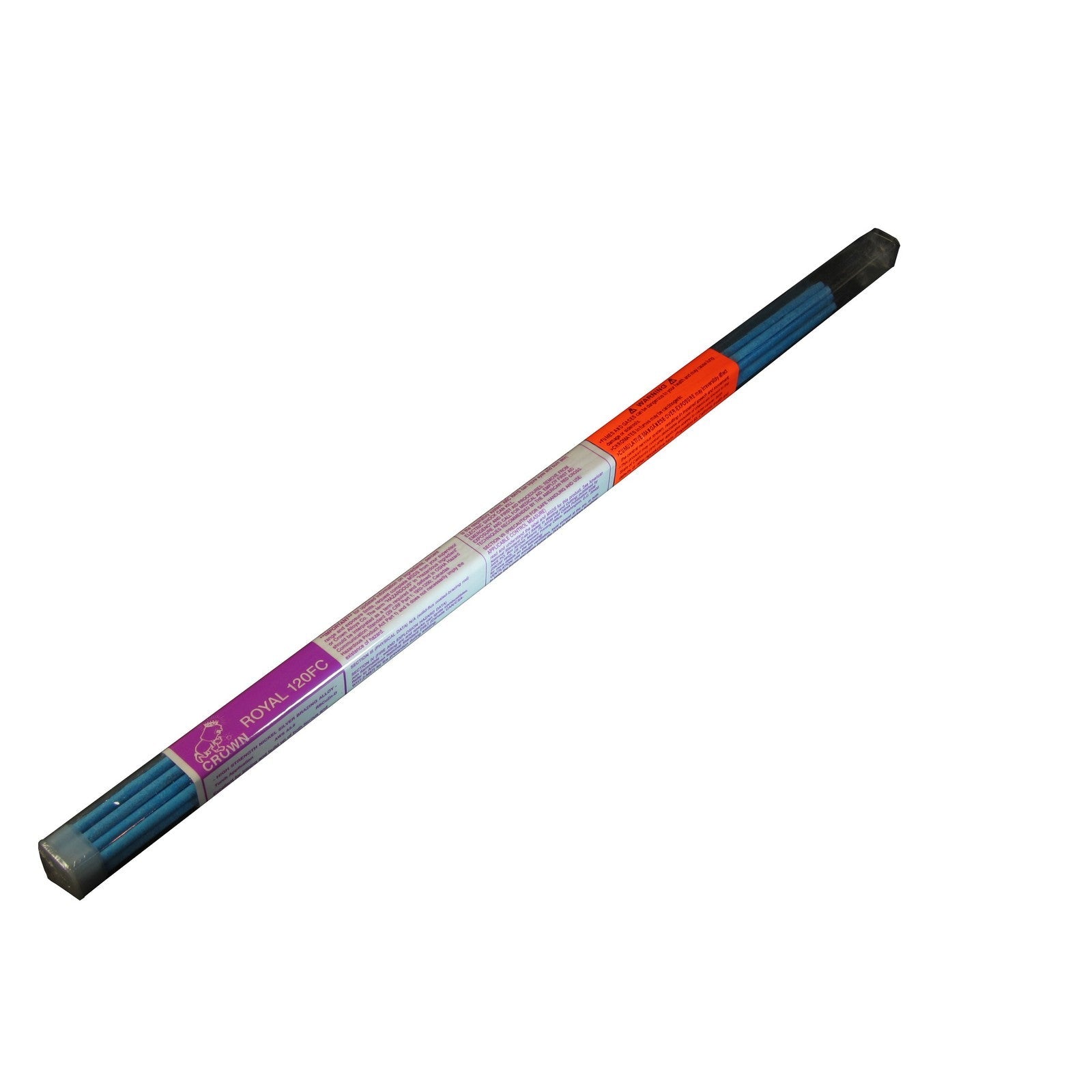
Crown Alloy 1/8 ROYAL 120 FC BR.PKG Flux Coated Nickel-Silver (RB CuZn-D) BRAZING 1 lb TUBE (RT120F/TO-BP)

Royal 120FC (flux coated) and Crown 120 (bare) are excellent alloys for building-up and joining carbon steels, alloy steels, cast iron and non-ferrous metals (except white metals). Because of their thin flowing characteristics, they may be used to replace more expensive silver alloys, when higher temperatures are acceptable. At low temperatures (1400°F-1600°F) the deposit has controlled fluidity which makes it ideal for surfacing and build-up of parts subjected to frictional wear. The Royal 120FC and Crown 120 are excellent build-up alloys as they work-harden with use. These alloys can be used to overlay and build-up bearings, shafts, valve seats, wedge bars and steering knuckles. The Royal 120FC and Crown 120 will outwear the original steel when used to build-up worn or broken gear teeth! At high temperatures (1650°F-1750°F) the Royal 120FC and Crown 120 becomes very thin flowing and will produce high strength joints with only .001” to .003” clearance. They can be used for close fitting joints on broken drills, mill cutters, furniture, bicycle assemblies, attaching carbide cutting tips and many other applications requiring high strength.
| MPN: | RT120F/TO-BP |
|---|---|
| UPC: | 412300210715 |
MPN: RT120F/TO-BP
UPC: 412300210715
Brands you trust at prices you can afford!
Over the past decade, we've become the country's most trusted one-stop online welding shop. We've done it with the guaranteed lowest prices, the best customer service in the industry, and a commitment to providing the best online shopping experience for all welders.
------------------------------


From The Blog

The Best Features of the Lincoln Square Wave 205
How to Become a Welder
